16 Heart Attack Signs That Can Save Your Life, According to Experts


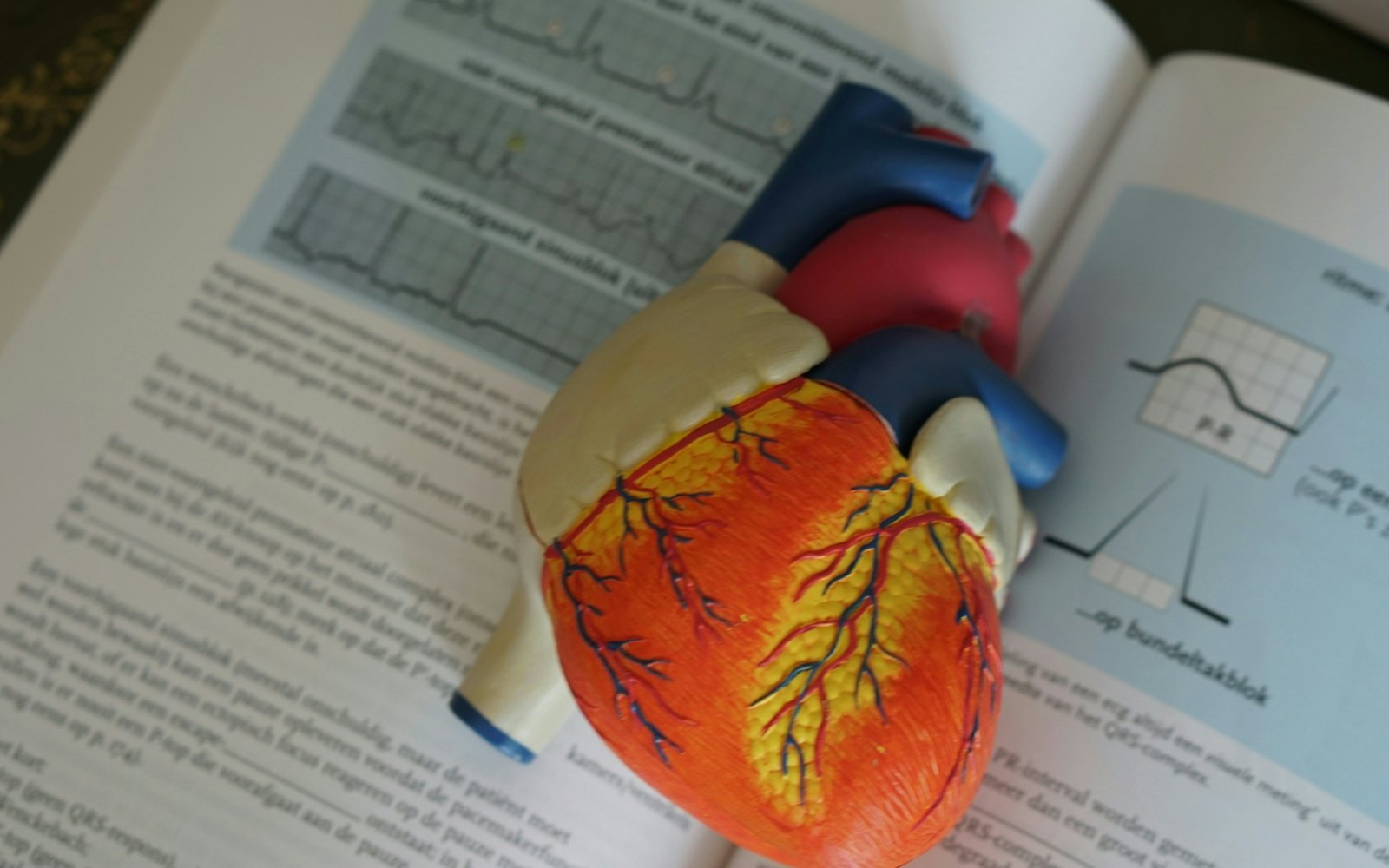
A heart attack, also known as a myocardial infarction (MI), occurs when blood flow to the heart is blocked, preventing oxygen from reaching the heart muscle. A heart attack occurs when an atherosclerotic plaque ruptures and blocks a coronary artery already narrowed by fatty, cholesterol-containing buildup over time. Without adequate blood flow, heart muscle tissue begins to die within minutes. Because a heart attack is a medical emergency, fast treatment is critical to prevent serious damage or death.
Read on to learn the common warning signs of a heart attack and when to call 911.
While some heart attack symptoms can resemble other conditions, early recognition is critical. Knowing the warning signs—and acting quickly—can significantly improve the chances of survival.
Common Heart Attack Symptoms for Men
Men are more likely to experience classic, recognizable heart attack symptoms that involve chest pain and upper-body discomfort.
- Chest discomfort. This may feel like pressure, squeezing, fullness, heaviness, or burning in the center of the chest and may come and go.
- Pain in the arms, neck, jaw, shoulder, or back. Discomfort may spread beyond the chest, characterized by a deep, aching, or tight feeling. It often affects the left arm but can occur on either side.
- Shortness of breath. Difficulty breathing may occur with or without chest pain and can feel sudden or unexplained. Shortness of breath is particularly concerning when it occurs at rest.
- Cold sweat. Sudden sweating that feels clammy or excessive (especially without exertion) can be a warning sign.
- Heart palpitations or dizziness. A racing, pounding, or irregular heartbeat may be accompanied by lightheadedness or feeling faint.

Common Heart Attack Symptoms for Women
While chest pain is still common, women are more likely to experience subtler symptoms that may not initially seem heart-related.
- Chest pain or pressure. This may present as discomfort rather than sharp pain. It can be mistaken for indigestion or stress.
- Shortness of breath. Breathing difficulties may occur suddenly and without chest pain. If breathlessness feels unusual or occurs even when resting, seek immediate medical attention.
- Nausea or vomiting. Upset stomach, nausea, or vomiting can occur before or during a heart attack. These symptoms are sometimes mistaken for the flu or a food-related illness.
- Fatigue. Unusual or extreme tiredness may appear days before a heart attack. Pay attention to exhaustion that interferes with daily tasks or feels unexplained.
- Anxiety or a sense of impending doom. Sudden anxiety or unease without a clear cause can be an early warning sign, especially when paired with other symptoms.
- Short, sharp pain in the arm, neck, or jaw. Pain may feel sudden and localized rather than spreading from the chest.
Less Common Heart Attack Symptoms
Some heart attack symptoms are less typical but still require immediate medical attention.
- Fainting or loss of consciousness. Sudden fainting, especially during physical activity or emotional stress, can indicate reduced blood flow to the brain.
- Pressure or pain in the lower chest or upper abdomen. This discomfort may feel like indigestion, heartburn, or stomach pain, but does not improve with typical remedies.
- Dizziness or lightheadedness. Feeling unsteady, faint, or weak, especially when paired with other symptoms.
- Upper back pressure. Persistent pressure between the shoulder blades.
- Extreme fatigue. Overwhelming tiredness may be a sign, particularly in women and older adults.
Important: Do not hesitate to call 911 or your local emergency number if you or a loved one experiences any of these symptoms. Emergency medical care is the fastest way to receive lifesaving treatment during a heart attack.
Sources
- https://my.clevelandclinic.org/health/diseases/16818-heart-attack-myocardial-infarction#additional-common-questions
- https://www.heart.org/en/health-topics/heart-attack/warning-signs-of-a-heart-attack
- https://www.heart.org/en/about-us/heart-attack-and-stroke-symptoms
- https://www.cdc.gov/heart-disease/about/heart-attack.html
- https://www.nhs.uk/conditions/heart-attack/symptoms/
- https://www.mayoclinic.org/diseases-conditions/heart-attack/symptoms-causes/syc-20373106


