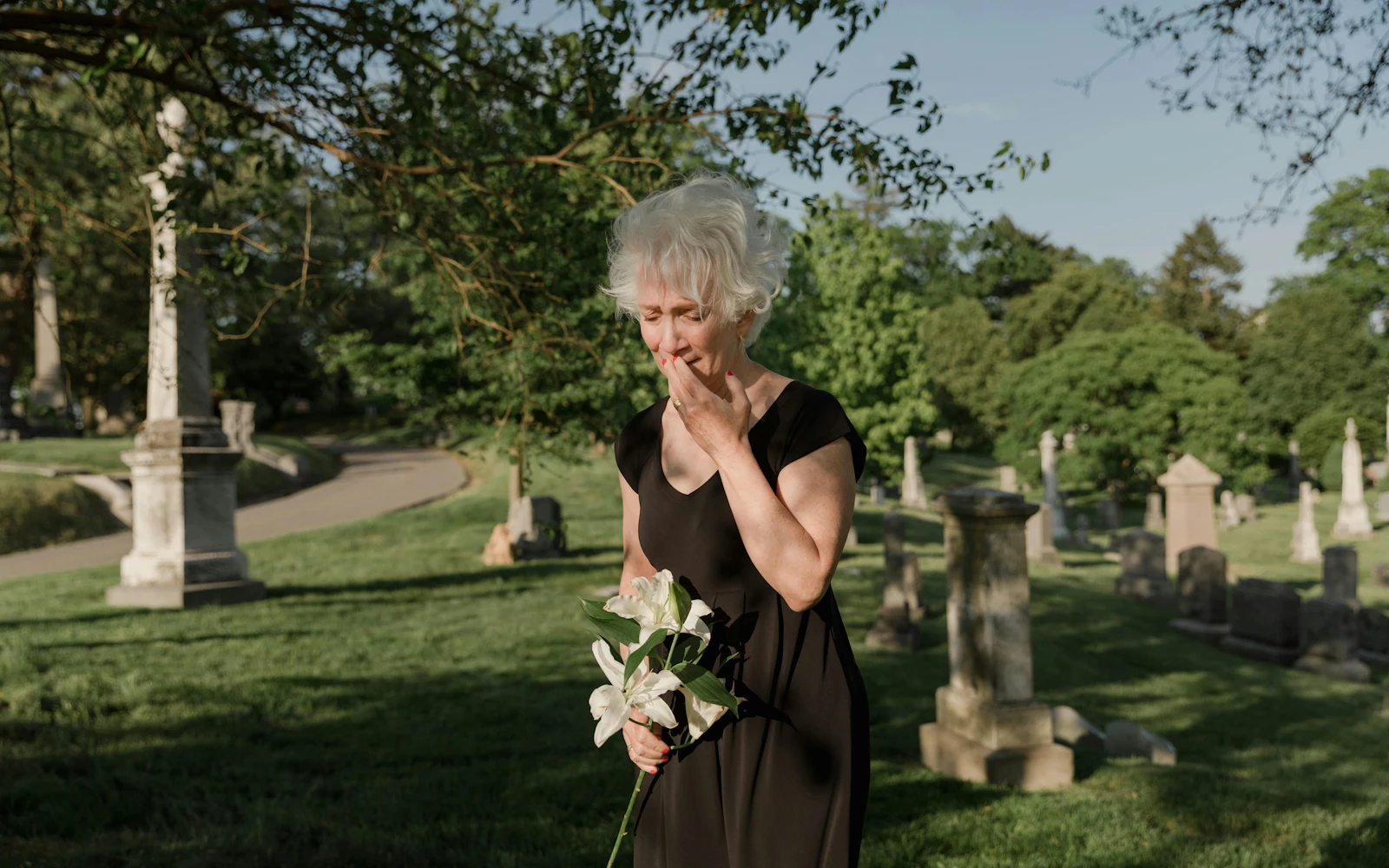
7 Ways To Protect Your Mental Health After You Turn 60


As we age, changes in physical health, social connections, and daily routines can affect mental well-being. Life transitions such as retirement, loss of loved ones, chronic illness, or reduced independence may increase the risk of stress, anxiety, or depression over time. Protecting mental health is just as important as caring for physical health, and taking proactive steps can support emotional well-being and quality of life as you age. Read on to learn practical ways older adults can protect and strengthen their mental health.
How to Protect Your Mental Health With Age
While there is no foolproof way to prevent depression, there are steps older adults can take to protect and strengthen their mental health as they age.
- Stay physically active. Regular movement supports both physical and mental well-being, even if activity looks different than it once did. Walking, chair exercises, gentle stretching, or light yard work can improve mood, reduce stress, and support overall brain health.
- Make healthy lifestyle changes. Improving nutrition, reducing alcohol or substance use, and maintaining regular routines, like self-grooming and exercise, can have a meaningful impact on mental health. Small, sustainable changes often lead to better energy levels, mood stability, and emotional resilience.
- Prioritize nutritious meals. A balanced diet (meaning one that includes fruits, vegetables, lean protein, and whole grains) supports brain function and emotional health, especially in older adulthood. Meal delivery programs and community resources can help ensure access to healthy foods for those with limited mobility or who have difficulty cooking.
- Stay socially connected. Maintaining relationships and social interaction helps reduce loneliness and supports emotional well-being. Joining clubs, attending classes, volunteering, or scheduling regular time with friends or family can make a significant difference in your daily happiness.
- Engage in hobbies and purposeful activities. Activities that bring joy or a sense of purpose—such as gardening, crafting, reading, or learning something new—can boost mood and self-esteem. Purposeful engagement helps keep the mind active and creates structure in your daily life.
Manage stress and practice relaxation. Chronic stress can negatively affect mental health, especially over time. Deep breathing, mindfulness, prayer, meditation, or gentle yoga can help calm the mind and improve emotional balance.
- Seek regular medical and mental health care. Routine checkups can help identify physical or emotional concerns early. Talking openly with a healthcare provider about mood changes ensures you get the support and treatment you need.
Sources
- https://www.cdc.gov/tobacco/campaign/tips/diseases/depression-anxiety.html
- https://www.ncoa.org/article/how-common-is-depression-in-older-adults/
- https://medlineplus.gov/ency/article/001521.htm
- https://mhanational.org/conditions/depression/
- https://www.helpguide.org/mental-health/depression/depression-in-older-adults
- https://www.nia.nih.gov/health/mental-and-emotional-health/depression-and-older-adults
- https://bcmj.org/articles/depression-older-adults-diagnosis-and-management
- https://psychiatryonline.org/pb/assets/raw/sitewide/practice_guidelines/guidelines/mdd.pdf
- https://www.psychiatry.org/psychiatrists/practice/dsm
- https://eldercare.acl.gov/resources
- https://www.samhsa.gov/find-help/helplines
- https://988lifeline.org/
- https://www.goodtherapy.org/find-therapist.html
- https://www.webmd.com/healthy-aging/mental-health-in-older-adults