Arthritis Help: 10 Tips on How to Manage Arthritis Pain


Article at a glance
- Arthritis is a chronic condition that causes damage to the joints, resulting in inflammation and pain.
- Common side effects of arthritis include joint pain, stiffness, tenderness around the joint, and inflammation.
- Arthritis symptoms can be managed in a variety of ways such as staying active, heat and ice therapy, taking medications, and more.
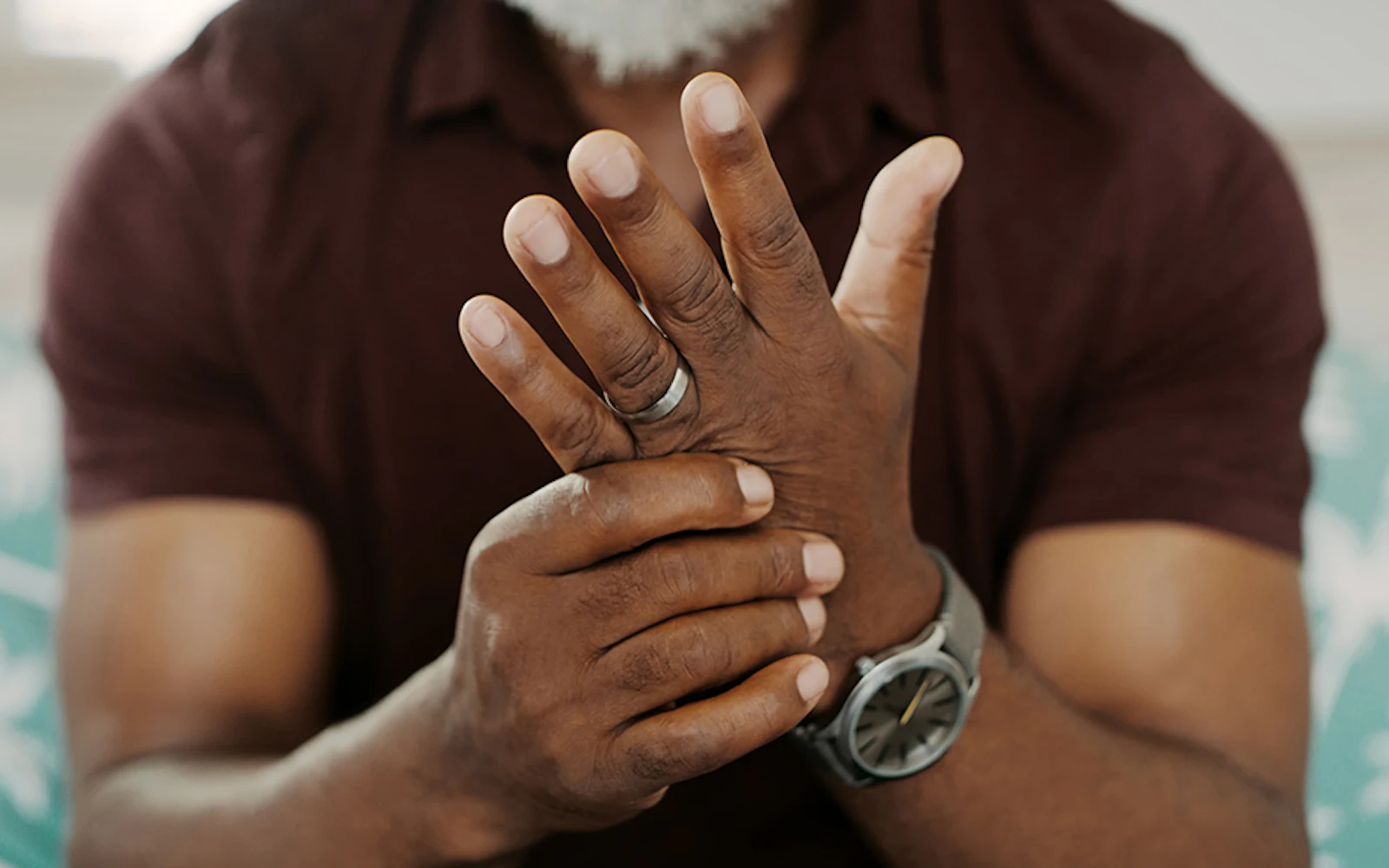
What is Arthritis?
Arthritis is a group of chronic conditions that causes damage to your joints (the places in your body where two bones meet) and the connective tissue surrounding the joints. As we age, our joints naturally wear down from daily use, which can lead to joint pain and stiffness. In some cases, an injury or certain health issues, such as an autoimmune condition or obesity, may trigger arthritis.
Arthritis is the leading cause of disability among adults in the U.S., affecting over 54 million adults in the U.S, according to the Arthritis Foundation.
Arthritis can affect any joint in the body, but some of the most common areas include the:
- Hips
- Knees
- Hands and wrists
- Shoulders
- Feet and ankles
- Lower back
Types of Arthritis
There are over 100 different types of arthritis. Some of the most common forms of arthritis include:
- Osteoarthritis: the most common type of arthritis (also called “wear and tear” arthritis), occurs when the cushioning that protects the ends of the bones wears down over time.
- Gout: occurs when sharp uric acid crystals accumulate in the joints
- Rheumatoid arthritis: occurs when the immune system mistakenly attacks the joint(s).
- Psoriatic arthritis: occurs in about 20–30% of people with psoriasis and involves the immune system attacking healthy tissue.
- Ankylosing spondylitis: occurs when inflammation develops between the vertebrae, affecting the spine.
Risk Factors
Anyone can develop arthritis, but some groups may be at higher risk than others. These groups include:
- Older adults
- Sex (men are more likely to develop gout, while women are more likely to develop osteoarthritis or rheumatoid arthritis)
- Family history of arthritis
- Obesity
- Smoking
- Certain health conditions, like Lyme disease, can cause joint swelling
- Joint injuries
- Serving in the military (likely due to injury)
Arthritis Symptoms
Your specific symptoms will depend on the type of arthritis you have, the joint(s) that are affected, and the duration of your symptoms, but the most common arthritis symptoms that overlap with most types include:
- Joint pain
- Stiffness or limited range of motion
- Inflammation (swelling)
- Sensitivity or tenderness around a joint
- Feeling of heat or warmth around your joints
- Skin discoloration
- Fatigue
Some types of arthritis may have flare-ups or symptoms that come and go. Other types may cause you to experience symptoms constantly.

Arthritis Diagnosis
To diagnose arthritis, your provider will do a physical exam, focusing on the affected joints and symptoms. They may ask questions about when you first experienced symptoms and whether certain actions or times of day make them worse. Your provider will also assess the range of motion in the affected joint, comparing those findings to your healthy joints.
Following the exam, your provider will order imaging tests to visualize the internal structures of the joints. These diagnostics are essential for ruling out other injuries or conditions that present with similar symptoms. Some of these tests may include:
- X‑ray
- Ultrasounds
- Magnetic resonance imaging (MRI)
- A computer tomography (CT) scan
Additionally, blood tests, such as uric acid levels, may be ordered if gout is suspected and to determine the likelihood of having an autoimmune disorder.
Your provider may also order tests, such as a white blood cell count or a urine test, to look for markers of inflammation and different types of arthritis.
10 Tips for Relieving Arthritis Pain
There are multiple ways to manage arthritis symptoms, reduce pain, and maintain a good quality of life without surgery. These can include lifestyle changes like staying active, protecting your joints, using heat and ice packs, and more.
#1. Stay active
Research shows that staying physically active can help relieve pain, improve joint function, and potentially delay physical limitations that are associated with arthritis. Regular physical activity can reduce inflammation, relieve joint pain and stiffness, and prevent bone loss.
Ideally, the Centers for Disease Control and Prevention recommends aiming for at least 150 minutes of moderate-intensity physical activity weekly to strengthen muscles and improve range of motion.
When you’re dealing with arthritis symptoms, it can be difficult to feel motivated to stay active. However, finding an activity or exercise program that you enjoy can make it easier. It’s important to avoid activities that involve repetitive motions and put additional strain on your joints, such as running, tennis, or jumping, as they can increase pain rather than relieve it.
Some suggestions for how to stay physically active that aren’t hard on your joints include:
- Walking
- Cycling
- Light gardening
- Swimming
- Tai chi
- Dancing
You may also be able to find programs specifically geared toward those with arthritis. Walk With Ease is a CDC-recognized program that can help you safely and comfortably increase your physical activity.
# 2. Keep a healthy weight
Weight management can help to slow down arthritis symptoms by relieving pressure on weight-bearing joints, such as the hips, knees, and ankles. Research shows that even a small amount of weight loss can help reduce and ease arthritis-related pain.
# 3. Try acupuncture
Acupuncture may provide relief by stimulating specific points that reduce pain and inflammation. While research is still limited, there is some promise in using it to treat chronic arthritis pain.
# 4. Quit smoking
Smoking is a preventable cause of arthritis, so stopping can halt its progression. Smoking increases inflammation, joint damage, and deterioration, and reduces the effects of medications used to treat arthritis pain, which can worsen joint problems. Quitting smoking will likely ease your inflammation and arthritis-associated pain.
# 5. Use heat and cold therapy
Alternating between heat and ice can help ease arthritis symptoms, especially after activities that trigger a flare-up.
Applying heat, such as with heating pads or a warm bath, for 15–20 minutes can help loosen stiff joints and soothe pain. Applying ice packs to specific joints for 10–15 minutes can reduce swelling and numb sharp pain after activity. When using heating pads and ice packs, do not apply them directly to the skin. Instead, keep a layer, such as a towel, in between to avoid damage to your skin.
# 6. Take over-the-counter medication
Taking NSAIDs (non-steroidal anti-inflammatory drugs) like ibuprofen, naproxen, and aspirin can provide short-term pain relief for joint pain. Not only are NSAIDs easy to use and relatively safe, but they are often used to treat acute pain.
Additionally, you can use topical gels, such as diclofenac gel, applied to joints like the knees, hands, and elbows to treat arthritis pain. However, it’s not meant for long-term use, and if it isn’t helping with pain after 21 days, you should see a healthcare provider.
# 7. Use braces for support
Some research shows that braces improve arthritis pain in the knees. Braces can help increase stability and reduce pressure on your joints, which can help ease pain. Braces are typically used as part of a larger treatment plan, and a provider or physical therapist can help you find the right brace for your needs.
# 8. Get a massage
Massage can improve circulation and reduce muscle tension in patients with arthritis, providing temporary relief from pain and inflammation. Massages can also reduce stress, ease anxiety, and improve sleep.
However, it’s important to consult your provider or physical therapist before getting a massage, as some types of arthritis can cause severely damaged joints that may not benefit from more intense massage techniques.
# 9. Eat an anti-inflammatory, healthy diet
Switching your diet to more anti-inflammatory options can help reduce joint pain, stiffness, and inflammation. This can help strengthen joint cartilage and help lessen chronic inflammation.
While there isn’t a single arthritis diet, the Mediterranean diet – which is rich in fatty fish, fruits, vegetables, whole grains, and nuts – can help lower systemic inflammation.
# 10. Go to physical or occupational therapy
If your arthritis symptoms happen frequently, your provider will likely suggest seeing a physical or occupational therapist. Physical therapy involves a specific, individualized treatment plan that will help you improve your flexibility and range of motion, as well as increase your strength and coordination. These plans often include a combination of exercises, assistive devices, braces and supports, and suggestions for easy lifestyle changes, such as using ergonomic chairs.

Arthritis Treatment
If your arthritis pain continues or worsens, your health care provider may recommend specific treatment to manage arthritis symptoms. This may include medications or even surgery.
Medications
If NSAIDs alone aren’t working, your health care provider may prescribe other medications to manage pain. These may include:
- Disease-modifying anti-rheumatic drugs (DMARDs): prescription medications that help to calm an overactive immune system. These are prescribed for immune-related types of arthritis, such as rheumatoid arthritis, psoriatic arthritis, or ankylosing spondylitis.
- Corticosteroids: prescription medications that reduce inflammation in the body. These can be given as pills or as cortisone injections directly into the painful joint.
- Hyaluronic acid therapy: injections of a joint fluid called hyaluronic acid, which typically breaks down over time in people who have osteoarthritis. This can be injected directly into areas of pain, such as the knee joint.
Transcutaneous Electrical Nerve Stimulation (TENS)
A TENS device sends mild electrical pulses directly to nerve endings of painful, affected joints to block pain signals to the brain.
Surgeries
If all other treatments fail, surgery might be the best option. The two most common surgeries to treat arthritis are:
- Joint fusion: involves fusing joints together and is most commonly done for arthritis affecting the spine or ankles. During surgery, damaged cartilage and bone are removed, and the joints are fused with pins, wires, and/or screws.
- Joint replacement: involves removing the damaged joint and replacing it with an artificial one. This may be done as a partial or total replacement, depending on the severity of damage.
When to See a Doctor
Arthritis symptoms can be frustrating to deal with, but you may not always know whether to treat them at home or see a doctor.
You should see your doctor if:
- Your arthritis pain becomes severe enough to impact your ability to perform daily activities
- Your pain lasts more than a week
- Stiffness that is getting worse, or if you can barely move your joints
- If your symptoms worsen, or you have more flare-ups than normal
What is the best way to relieve arthritis pain?
The best way to relieve arthritis pain is typically a combination of lifestyle changes, like weight loss and anti-inflammatory eating, paired with oral or topical NSAID medications to relieve joint pain.
What makes arthritis flare up?
Arthritis flare-ups are usually triggered by overexertion, either by doing too much physical exercise or work. Other triggers include certain foods, stress, cold weather, poor sleep, or not taking medication.
What are the most common joint replacement surgeries?
The two most common joint replacement surgeries are hip replacement and knee replacement.
Sources
https://my.clevelandclinic.org/health/diseases/12061-arthritis#management-and-treatment
https://www.yalemedicine.org/news/arthritis-treatments
https://www.hopkinsmedicine.org/health/conditions-and-diseases/arthritis
https://www.cdc.gov/arthritis/caring/index.html
https://www.arthritis.org/news/arthritis-facts-by-the-numbers
https://www.mayoclinic.org/diseases-conditions/arthritis/in-depth/arthritis/art-20046440
https://www.cdc.gov/arthritis/risk-factors/index.html
https://www.massgeneralbrigham.org/en/about/newsroom/articles/diet-arthritis-joint-pain
https://my.clevelandclinic.org/health/treatments/corticosteroids-glucocorticoids
https://my.clevelandclinic.org/health/procedures/arthrodesis-joint-fusion


