Dry Eye Relief: 9 Home Remedies and Treatment Options


Article at a glance
- Dry eye disease is when your eyes don’t produce enough tears, or your tears evaporate too quickly, resulting in symptoms like burning, grittiness, redness, and irritation.
- Dry eye disease can affect anyone – the most common culprits are contact lens wearers, those living in low-humidity climates, older adults, and those who stare at screens for long periods.
- There are many home remedies you can use to find relief, as well as stronger treatments for those with more severe dry eye symptoms.
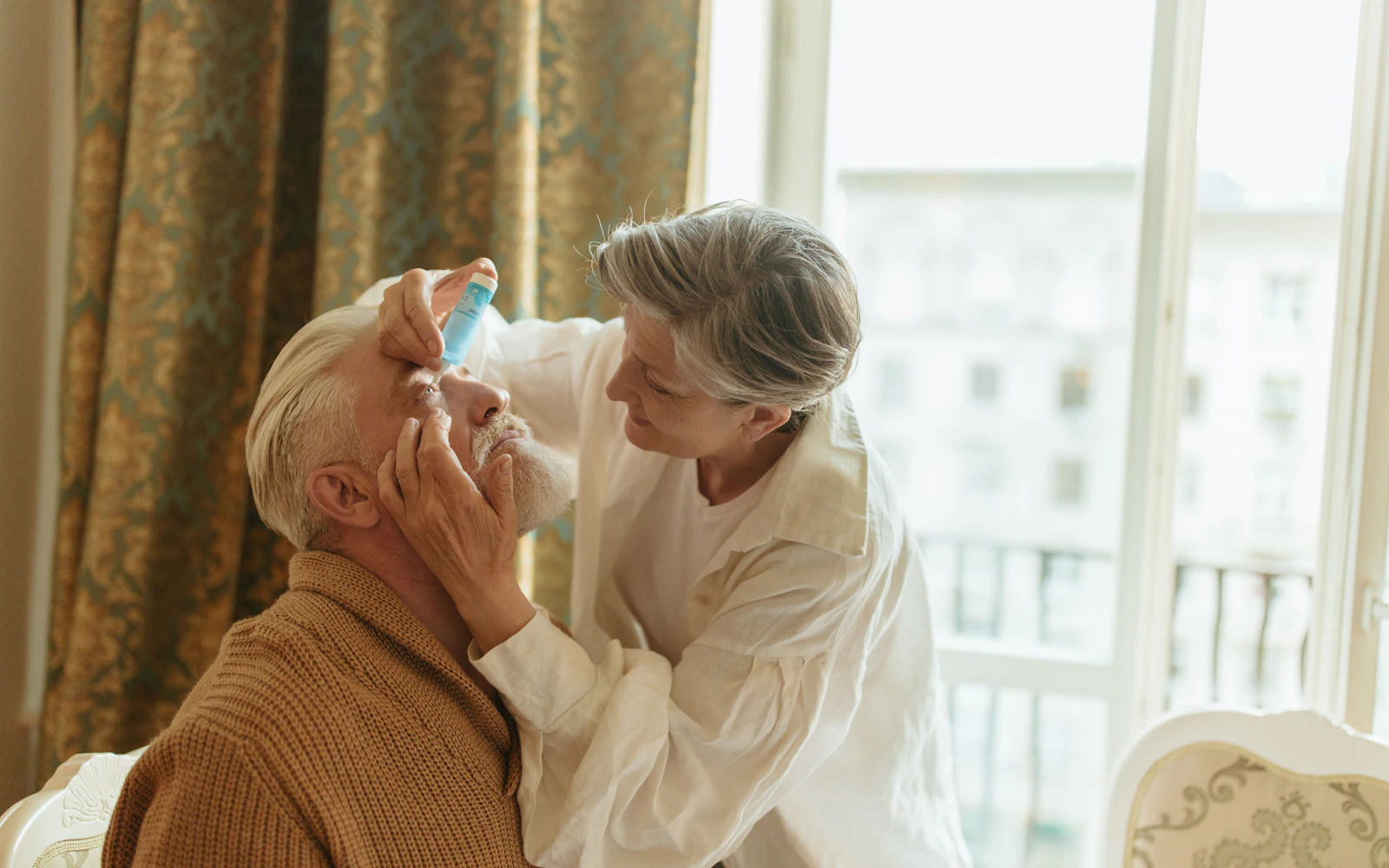
What is Dry Eye?
It’s likely that at some point, you’ve experienced the burning, itchy, gritty feeling of your eyes being too dry. According to the National Eye Institute, nearly 16.4 million Americans have dry eye disease, which occurs when your eyes are unable to produce enough tears or when your tears evaporate quickly.
Your tears aren’t just water: they are a combination of water, oil, and mucus. All three are necessary to maintain optimal tear quality that keeps your eyes moist and nourishes your tear film, the three layers that protect your eyes and allow you to see clearly and comfortably. If the tear film is disrupted due to insufficient tears and moisture, it can lead to eyelid inflammation and, if left untreated, potentially cause corneal damage or vision loss.
What Causes Dry Eye?
Dry eye can stem from various factors. While some cases are temporary, a growing number of individuals are developing chronic dry eye due to underlying causes such as:
- Hormonal changes
- Age
- Climate, notably places with low humidity
- Contact lens wear
- Prolonged screen time
- Certain medications, such as antihistamines and decongestants
- Having meibomian gland dysfunction (when eyelid glands are blocked and unable to produce enough oil, causing tears to evaporate too quickly)
- Having eye surgery, such as LASIK, cataract surgery, or corneal surgery
Types of Dry Eye
There are three different types of dry eye:
- Evaporative dry eye: when your eyes produce tears, but they evaporate quickly.
- Aqueous-deficient dry eye: when your eyes do not produce enough tears to keep your eyes lubricated and moist.
- Mixed dry eye: When your eyes experience a mix of both of these issues.

Dry Eye Symptoms
Regardless of the type of dry eye, symptoms are relatively the same. Symptoms of dry eye include:
- Blurred vision
- Burning, stinging, or gritty feeling
- Eye irritation
- Mucus coming out of the eye
- Eye redness
- Sensitivity to light
- Watery eyes (more common in those with evaporative dry eye)
- Difficulty driving at night
- Difficulty wearing contact lenses

9 Home Remedies to Get Relief for Dry Eyes
There are a few home remedies you can try to relieve dry eyes, notably if you experience mild irritation, redness, or sensitivity. Environmental adjustments, such as using a humidifier and taking screen breaks, can significantly help relieve dry eye symptoms, create healthy tears, and promote tear stability.
#1. Wash Your Eyelids and Lashes
While you may not typically consider washing your eyelids part of your skincare routine, washing them and your lashes each day can help reduce irritation by unclogging oil glands. Use baby shampoo or a mild soap, a clean washcloth, and warm water to gently clean your lash lines and your upper and lower eyelids.
Doing this regularly can help manage dry eye symptoms by reducing inflammation. Gently massaging your eyelids is also recommended to provide relief.
# 2. Use a Warm Compress
Applying a warm compress can help open up the meibomian glands along your eyelids, allowing them to release oil, which can help prevent your tears from evaporating.
To do this, take a clean washcloth and soak it in warm water (not hot). Place the washcloth over your closed eyes, and leave it on for 5–10 minutes.
Additionally, heated eye compress masks are an alternative option. Take the eye mask and place it in the microwave for approximately 20 seconds, then place it on your eyes for about 8–10 minutes (or the length of time suggested by your doctor).
#3. Avoid Environmental Factors
Environmental factors, such as cigarette smoke, wind, air pollution, or air conditioning that blows directly into your face, can cause or worsen dry eye symptoms. While it may not be possible to avoid them all the time, making adjustments to avoid them when you can is recommended.
Some options to consider include:
- Wearing wraparound-style sunglasses to protect your eyes from wind and dry air
- Avoiding smoking areas
- Moving to a different location if sitting directly under or in front of an air vent
- Not sitting near fans that are directed at your face
#4. Stop Smoking
Smoking can increase the risk of developing dry eye problems. Quitting smoking can improve eye comfort and reduce dryness.

#5. Rest Your Eyes
So much of our lives revolve around different screens, whether for work or entertainment. However, it’s important to give your eyes a break. Studies show that reduced blink rates during screen use can contribute to dry eye syndrome.
Some ways to rest your eyes include:
- Use the 20–20-20 rule to give your eyes a break from screens (every 20 minutes, look at something 20 feet away for 20 seconds, which forces you to blink)
- Take breaks from your computer screen (stepping away altogether and not pivoting to another screen)
- Be mindful to blink regularly when you know you’ll be using screens for long periods. Set timers as needed to remind you until it becomes a habit.
- When taking breaks, close your eyes and gently roll them to help rewet them and refresh the tear film.
#6. Stay Hydrated
Staying hydrated by drinking water can help lubricate the eyes and support tear production. Try keeping water nearby, so you stay hydrated throughout the day.
Additionally, limiting caffeine and alcohol can help reduce dehydration, which may worsen dry eye symptoms.
#7. Use a Humidifier
Humidifiers add moisture to dry air, which is crucial for preventing rapid tear evaporation. Many people opt to keep a humidifier in their bedroom and use it while they sleep. However, using one in your office (if allowed) or in other areas of your home can also be beneficial.
#8. Get Enough Sleep
Getting enough sleep is important for maintaining tear production and eye health. Research shows that a lack of sleep can reduce tear production and negatively affect your tear film through eyelid inflammation.
If you need tips for getting better sleep, visit this resource.
#9. Add More Omega‑3 Fatty Acids to Your Diet
Adding omega‑3 fatty acids to your diet can improve the function of the meibomian glands, which produce oil that protects and lubricates your eyes. Additionally, consuming omega‑3, ideally through healthy fats, can help calm inflammation.
Ways to add more Omega‑3 include:
- Fatty fish, such as salmon, tuna, and mackerel
- Chia seeds
- Flax seeds
- Walnuts
- Edamame
- Palm, soybean, or canola oil
Omega‑3 supplements, or fish oil supplements, were once considered a possible way to treat dry eye, but more recent studies show the supplements don’t have the same effect on treating dry eye.
Research also indicates that vitamins A, C, and E can promote good eye health by reducing inflammation. Foods to consider eating include:
- Leafy greens, like spinach and kale
- Citrus fruits, like oranges
- Bell peppers
- Broccoli
- Carrots
- Nuts and seeds, like almonds and sunflower seeds
- Sweet potatoes
#10. Remove Makeup Around Eyes
Fully removing any makeup or buildup around the eyes before cleansing is important to reduce the risk of eye irritation. Using makeup remover wipes or micellar water with a soft cloth can help remove any makeup before cleansing or massaging your eyes.

Other Treatment Options
While home remedies can be effective for treating milder symptoms of dry eye disease, in some cases, you may need more formal treatments, such as eye drops, light therapy, and punctal plugs.
Eye Drops
Lubricating eye drops are among the most common ways to get quick relief for dry eye, as they can mimic natural tears and potentially improve tear quality. Eye drops can be either artificial tears, which immediately relieve burning, redness, and itchy sensations, or medicated eye drops that may treat specific conditions like glaucoma. Options such as gels are thicker than drops, but can provide longer-lasting relief.
Here are some tips to keep in mind when choosing eye drops:
- Avoid using drops that only target eye redness, as they can cause long-term rebound redness and may worsen symptoms.
- Lubricating gels may be used for more severe dry eye, but they can also blur vision, so it’s best to use gels or ointments at night before bed.
- Preservative-free eye drops are recommended for frequent use to avoid irritation, especially if you need to apply drops multiple times a day.
- If you wear contacts, ensure drops say they are safe for contact lenses so you don’t damage them.
If you’re unsure which types of eye drops are best for you, talk to an ophthalmologist or optometrist (eye doctor) to get a diagnosis and recommendation.
Punctal Plugs
This treatment involves inserting punctal plugs (silicone plugs) into your tear ducts to help keep your tears from evaporating. It can help you keep your natural tears as well as the artificial ones you’ve added.
Light Therapy
A combination of light therapy and eyelid massage can help people who struggle with severe dry eye symptoms. This alternative treatment is used for those with meibomian gland dysfunction, which is the most common cause of dry eye disease. The treatment is completely painless.
There are two main types of light therapy:
- Intense pulsed light therapy (IPLT): This version involves shining bright, pulsing lights to the skin surrounding the eyes in a consistent pattern.
- Low-level light therapy (LLLT): This version involves using invisible light (red or near-infrared) on the skin surrounding the eyes to help relieve pain. LLLT is a newer version and is often used in combination with IPLT.
Studies have shown that combining light therapy with eyelid massage or a hot compress can provide relief.
Special Contact Lenses
For those with severe dryness who wear contact lenses, your doctor may recommend switching to scleral lenses, which are designed for people with dry eye. These contact lenses help to trap moisture while also protecting the eye’s surface.
Medications
In some cases, medications may be recommended to target certain dry eye symptoms.
Some medication types may include:
- Antibiotics to reduce eyelid inflammation
- Eye drops specifically meant to manage corneal inflammation
- Tear-stimulating medicines, like cholinergics
- Eye inserts that work similarly to artificial tears, called hydroxypropyl cellulose
- A nasal spray to help with tear production, called varenicline
These medications may be recommended to try for a few weeks or on a longer-term basis. Consult a healthcare professional before starting any medication.

When to See a Doctor
If symptoms persist or you experience severe dry eye symptoms, even after using home remedies or eye drops, it’s important to see an eye doctor. Leaving symptoms untreated can result in eye damage, pain, and vision loss.
Examples of severe symptoms may include:
- Intense burning, itching, or stinging
- Severe light sensitivity
- Severe pain in the eye
- Constant feeling of grittiness, similar to sand in the eye
- Extremely blurry vision
- Experiencing thick, stringy mucus in the eye
FAQ
What is the fastest way to cure dry eye?
While home remedies like a warm compress may help relieve symptoms quickly, eye drops are the most common quick solution for soothing dry eyes.
Does dry eye require eye surgery?
No, dry eye doesn't require surgery to be treated. In most cases, home remedies or less invasive treatment options can help treat dry eye. In special cases, you may be referred to an eye surgeon if you have a unique underlying cause, such as ectropion (where your eyelids turn outward), that may need alternative treatment.
Best ways to keep your eyes healthy?
Some ways to keep your eyes healthy include getting regular eye exams, wearing sunglasses when outdoors, and eating foods that are high in nutrients like vitamins A, E, and C, as well as omega-3, which are all ideal for eye health.
Sources
https://www.aao.org/eye-health/tips-prevention/how-to-choose-lubricant-drops-dry-eyes
https://my.clevelandclinic.org/health/diseases/24479-dry-eye
https://www.nei.nih.gov/eye-health-information/eye-conditions-and-diseases/dry-eye
https://www.mayoclinic.org/diseases-conditions/dry-eyes/diagnosis-treatment/drc-20371869
https://www.mayoclinichealthsystem.org/hometown-health/speaking-of-health/looking-for-dry-eye-relief
https://www.aoa.org/healthy-eyes/eye-and-vision-conditions/dry-eye
https://www.hopkinsmedicine.org/health/wellness-and-prevention/nutrition-and-eye-health