11 Common Symptoms of Low Iron


Article at a glance
- Low iron is one of the most common nutrient deficiencies. It can take on a wide range of symptoms, such as feeling fatigued, being short of breath, or having cold hands and feet. Other times, it can be entirely symptomless.
- Many of the symptoms of low iron are nonspecific, meaning your symptoms could be explained by or associated with some other medical conditions. That’s why it’s important for a healthcare provider to assess and diagnose symptoms.
- Treatment for low iron levels usually focuses on either increasing iron intake through diet or supplements or improving iron absorption in the body.

Our body requires many essential minerals to function. One of those minerals is iron, which is used to help carry oxygen throughout the body and to support energy creation. While symptomless in its early stages, untreated iron deficiencies can disrupt day-to-day life with symptoms like the 11 below.
Continue reading to learn more about the symptoms of iron deficiency, how healthcare providers diagnose iron deficiency anemia, and treatment options that may help someone get enough iron.
What is Iron Deficiency (Anemia)?
Iron deficiency anemia occurs when the body lacks sufficient usable iron, typically due to a lack of dietary availability or the inability to absorb the mineral effectively. Iron deficiency anemia is the most common type of anemia, but it is not the only one. One common thread of all anemias is that the body does not produce enough healthy red blood cells. These cells carry oxygen to the body’s tissues, which is vital to energy production. When new red blood cell production slows or ceases, the body doesn’t get sufficient oxygen-rich blood.
When anemia is the result of low iron levels, there isn’t enough iron to produce new red blood cells. This type of anemia affects up to 40% of people in developing countries and 10% in developed nations. The American Gastroenterological Association even claims it is the most common nutritional deficiency worldwide. When left untreated, iron deficiency anemia becomes a chronic, ongoing condition with symptoms that affect someone’s quality of life.
Stages of Iron Deficiency
Iron depletion typically undergoes three stages:
- Mild deficiency: Levels of iron in bone marrow start to decrease at this stage, though there are usually no or minimal symptoms.
- Moderate: Iron stores are more depleted, but levels of hemoglobin, a protein inside red blood cells that plays a key role in transporting oxygen to other parts of the body, remain stable. This is when symptoms, such as the 11 below, may start to appear. This can be referred to as iron deficiency without anemia, and it’s at least twice as common as iron deficiency with anemia.
- Iron deficiency anemia: Iron stores are exhausted at this stage and hemoglobin levels decline. Technically, this is the only phase that’s diagnosed as iron deficiency anemia.Iron levels at critically low levels characterize severe iron deficiency anemia, which can be life-threatening if left untreated.

11 Common Iron Deficiency Anemia Symptoms
While low iron levels may be symptomless in their early stages, symptoms usually occur as levels continue to decline. Most of the symptoms below can be present with or without anemia.
1 | Tiredness or fatigue
Feeling fatigued, tired, or weak is probably the most common symptom of low iron. Without iron, the body’s red blood cells do not have the same capacity for transporting oxygen and producing energy, resulting in less energy overall.
This fatigue can range from struggling with a hard workout to feeling tired from everyday activities, such as grocery shopping or vacuuming. Depending on how low iron levels are, this may also manifest as muscle weakness or instability.
2 | Shortness of breath
The lungs are one of the places where red blood cells pick up oxygen. Without iron the red blood cells are unable to do so. As a result, someone may feel short of breath or have difficulty breathing with exertion. This means they may find themselves feeling out of breath faster from activities like walking or doing chores.
3 | Pale skin
When someone has fewer red blood cells, there’s less oxygenated blood flowing through their veins. As a result, the skin may appear paler and your gums might look whitish as well.
4 | Cold hands or feet
When someone has low iron levels, the body will prioritize transporting blood to vital organs. This may result in poor blood circulation, including less blood for the hands and feet. When the hands and feet don’t get enough blood, they may feel cold, even when the outdoor or room temperature is in a normal range.
5 | Heart palpitations
In response to fewer red blood cells, the heart may start pumping blood faster, to meet the body’s oxygen demands. This moves less oxygenated blood or old red blood cells to target organs, but it may also cause heart palpitations, which is the feeling of a pounding, racing, or irregular heartbeat.
6 | Headaches and brain fog
Iron is essential for the creation of red blood cells. When these blood cells transport oxygen to the body’s tissues, they also remove carbon dioxide (CO2). If this process is disrupted, as is the case with low iron levels, the CO2 may remain in the cell’s tissues.
Over time, this can be life-threatening, though the first symptom is often mild headaches or confusion. This confusion could look like brain fog or difficulty thinking or concentrating.
7 | Dizziness
Low oxygen levels in the brain can impact the areas associated with balance and stability. Fatigue and brain fog may worsen dizziness, even leading to possibly fainting. According to a 2025 study, dizziness is more commonly found in women with low iron levels than in men.
8 | Craving for non-food items
People with severe anemia may experience pica, a craving for eating non-food items like dirt or ice cubes. While it’s not fully understood why this happens, it may be due to cognitive changes associated with poor blood flow or could be the body’s well-intended but ineffective attempt to get more iron.
9 | Restless legs syndrome
Restless legs syndrome occurs when someone has an overwhelming urge to move one or both legs, especially when trying to sleep. Many factors may contribute to restless legs syndrome, but a significant number of people with this condition have low levels of iron.
10 | Hair loss or brittle nails
Two other extremities that may be affected by poor blood circulation are the hair and nails. When iron levels are low for a long time, hair loss may occur and nails may become weak or brittle. This is due to the body prioritizing getting blood to more essential organs, such as the brain, kidneys, or heart.
11 | Getting sick more often
In order to have a healthy immune system, the body requires ample iron stores and effective iron homeostasis, which is the process of absorbing iron in a way that maximizes its benefit for cells, including those in the immune system.
If this process is disrupted or iron levels are low, the immune system may slowly weaken. This could look like getting sick more often than usual.

What Causes Someone to Be Iron Deficient
The National Heart, Lung, and Blood Institute highlights many potential causes of iron deficiency, including:
- Blood loss: This can occur due to an injury, blood disorders that cause chronic blood loss, or bleeding in the gastrointestinal tract due to a gastrointestinal condition like an ulcer or inflammatory bowel disease (IBD).
- Difficulty absorbing iron: Some people struggle to absorb iron due to a recent gastrointestinal surgery, extreme endurance sports like ultramarathon running, intestinal and digestive conditions, and certain rare genetic disorders.
- Kidney disease: When someone has chronic kidney disease, they tend to have lower iron stores, likely due to poor absorption and chronic inflammation, though the relationship between these two is not fully understood.
- Long-lasting conditions: Some long-lasting conditions, especially those that lead to inflammation, may also cause iron levels to dip. Two common culprits include obesity and heart failure.
Risk Factors
Certain risk factors increase the likelihood of iron deficiency:
- Pregnancy or breastfeeding: Pregnant people and breastfeeding parents often require more iron than normal, which may result in a deficiency if they don’t increase their iron intake.
- Gastrointestinal conditions: GI conditions, like IBD and Celiac disease, increase the risk of blood loss via bloody bowel movements and/or poor absorption of iron from food. Surgeries like gastric bypass surgery also make it difficult to absorb iron from foods.
- Some cancers: Cancer in the colon, esophagus, small bowel, or stomach not only increase the risk of gastrointestinal bleeding but also the risk of iron deficiency.
- Gender: People who menstruate are at a higher risk for low iron levels, especially if they suffer from heavy periods, because iron can leave the body through menstrual bleeding.
- Diet: If someone doesn’t eat enough food with iron, they may have a higher risk level, too. While this may occur more often for vegetarians and vegans, a plant-based diet can provide you with a sufficient amount of iron.
How Is Iron Deficiency Anemia Diagnosed?
Many of the symptoms of iron deficiency are nonspecific, meaning they could be from other conditions as well, such as hypothyroidism, depression, and other mental health conditions that deplete energy. If experiencing any of the symptoms above, it’s important to see a healthcare provider who can conduct an assessment of symptoms and review your medical history.
During an assessment, a healthcare provider might order blood tests for:
- Anemia detection; this will most likely be a complete blood count (CBC)
- Iron levels, such as a test of total iron binding capacity
- Serum ferritin levels; serum ferritin is a protein that stores iron
- Iron absorption
If you have an autoimmune disease or another underlying medical condition additional tests may be ordered.
Treating Iron Deficiency Anemia
There are multiple approaches to treating iron deficiency, but the most common methods include supplements and diet changes.
Iron Supplements
An iron supplement is the most common way to treat iron deficiency anemia. It typically contains ferrous sulfate, a compound of iron and sulfur. A healthcare provider will let you know if this is necessary and help you choose the right supplement since not all oral iron supplements are created equal.
While many people tolerate oral iron, these supplements sometimes cause side effects in the digestive system like:
- Vomiting
- Constipation
- Nausea
- Abdominal pain or cramping
When someone cannot tolerate oral iron or in cases of severe anemia, iron may be delivered directly to the bloodstream via an IV (known as intravenous iron or IV iron). This is often referred to as iron therapy. Alternatively, a healthcare provider may deliver iron via an injection into the muscle.
Iron Rich Foods
Alongside or in place of iron supplementation or iron infusions, a healthcare provider may recommend eating more iron-rich foods. These include:
- Most meats, with beef liver having one of the highest concentrations of iron
- Seafood, especially sardines and tuna
- Cow’s milk
- Some legumes, including lentils, lima beans, pinto beans, and white beans
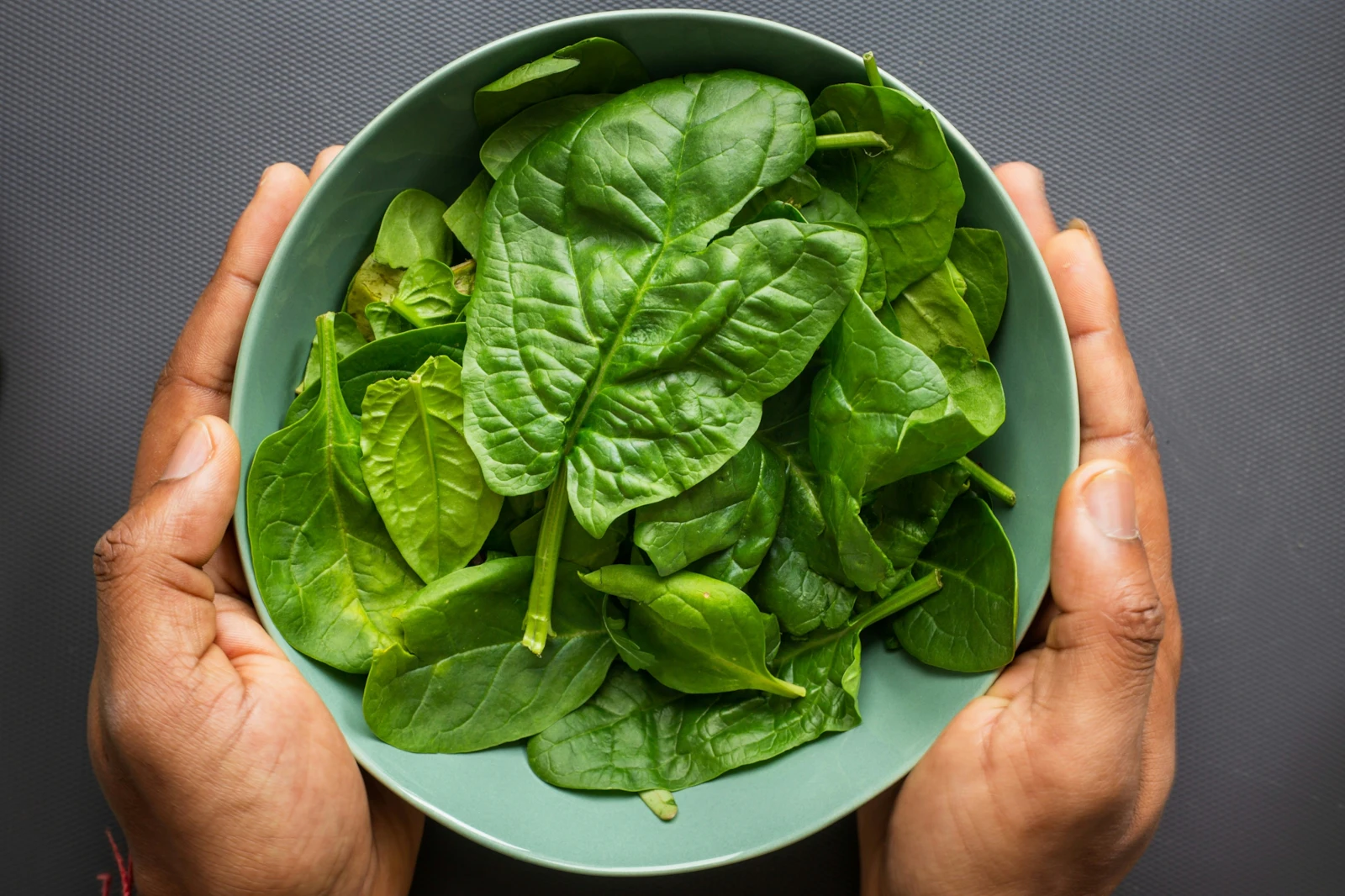
- Leafy green vegetables, like spinach and kale
- Tofu
- Dark chocolate
- Tomatoes
- Baked potatoes with the skin on
- Cashews
- Green peas
- Broccoli
- Hard-boiled eggs
- Cantalope
- Some cheeses
Foods with vitamin C help the body absorb iron from food sources, and it’s recommended to pair Vitamin C‑rich foods or supplements alongside those with iron. Foods high in vitamin C include:
- Oranges
- Lemons
- Kiwi fruit
- Broccoli
- Strawberries
- Brussels sprouts
- Bell peppers
- Grapefruit
- Cabbage
- Cauliflower
- Some fruit juices, ideally without added sugars
Treating Underlying Medical Conditions
A healthcare provider will also prescribe medications, recommend lifestyle changes, and perform necessary procedures to treat any comorbid conditions that may play a role in your iron deficiency.
When to See a Healthcare Provider
If experiencing any symptoms of iron loss, make an appointment with a healthcare provider, most likely a primary care provider, who can then refer you to the right specialist based on what’s causing symptoms.
Questions to ask a healthcare provider:
- Do you think I have an iron deficiency? Is there anything else that could be causing my symptoms?
- What are some easy ways to get more iron from my diet?
- Would I benefit from an iron supplement?
- What are my current iron supply levels? Where should those levels ideally be?
Preventing Low Iron Levels
Most people can prevent low iron levels by eating a diet high in iron and vitamin C, such as the foods from the two lists above. If s low iron levels are detected during a routine visit with a healthcare provider but you do not have iron deficiency anemia, it may be prevented with an increase in iron supply, whether from diet, a supplement, an iron IV, or a mix of iron sources.
How can I boost iron immediately?
It can be hard to boost the body's iron stores right away. However, eating certain foods can help replenish iron levels quicker. An ideal combination is to eat iron-rich foods, like spinach or red meat, with sources of vitamin C, such as cauliflower or bell peppers, since vitamin C helps with iron absorption.
How can I boost my iron intake on a vegetarian/vegan diet?
Much of the food we commonly think of as rich in iron comes from animal products, especially meats like beef, pork, liver, and other organ meats and other red meats. However, it is possible to get enough iron as a vegetarian or vegan if you eat iron-rich foods that are plant-based. These include flour, bread, and cereal, as well as natural sources like beans, tofu, and dark leafy greens.
How do I know if my iron is low?
If iron is low, someone will most likely experience symptoms like pale skin, cold hands and feet, fatigue, and/or feeling dizzy. If iron deficiency anemia develops, someone may experience more severe symptoms, such as chest pain or a craving to eat non-food products like ice or dirt.
Sources
https://www.nhlbi.nih.gov/health/anemia/iron-deficiency-anemia
https://gastro.org/news/from-our-experts-practical-tips-for-managing-iron-deficiency-anemia/#
https://www.cancer.gov/publications/dictionaries/cancer-terms/def/hemoglobin
https://www.niddk.nih.gov/health-information/blood-diseases/anemia-inflammation-chronic-disease
https://www.sciencedirect.com/science/article/abs/pii/S0306987714002710
https://ods.od.nih.gov/factsheets/Iron-HealthProfessional/#h4
https://www.ncbi.nlm.nih.gov/books/NBK540969/table/article-20496.table0/
https://ods.od.nih.gov/factsheets/VitaminC-HealthProfessional/


