14 of the Best Protein-Rich Foods to Add to Your Diet


Article at a glance
- Protein is an essential building block vital to our overall health, as it supports functions like muscle building, weight management, bone strength, and more.
- Not everyone needs the same amount of protein: it depends on factors such as weight, physical activity, health, fitness goals, and more.
- Foods that are high in protein include eggs, Greek yogurt, lean meats like chicken, and lentils.

Why Do We Need Protein?
Proteins are complex molecules that are essential to the body’s ability to function. They are responsible for many important roles, including muscle repair, building muscle, bone strength, weight loss, and immune system function. Proteins also act as enzymes, hypercharged proteins that speed up metabolic processes in the body. Protein is found in many areas of the body, including muscle, hair, bone, and skin.
Proteins are composed of 20 distinct amino acids, the building blocks of the body. Some amino acids can be made by the body, while others, known as essential amino acids, must be consumed through our diet.
Getting enough protein is important for hormone regulation, muscle repair, and a number of vital functions. If we don’t get enough of it, we can experience mental and physical issues, including muscle breakdown, weakness, and fatigue.
Note: When referring to specific molecules in the body, we use the term “proteins.” When talking about the macronutrient found in the food we eat, we call it “protein” or “dietary protein.”
Types of Protein
Not all protein sources contain the full spectrum of essential amino acids. The two main types of proteins are:
- Incomplete proteins: These types of protein contain some essential amino acids, but not all of them. Examples include legumes, whole grains, and vegetables.
- Complete proteins: These types of protein contain all of the essential amino acids needed. Examples include meat, poultry, seafood, and tofu.
This doesn’t mean incomplete proteins aren’t beneficial to the body. Incomplete proteins can be combined in meals to create a complete protein, such as beans and rice. The important thing is to strive to get as much complete protein as possible in your diet.
How Much Protein Do You Need?
There is no universal recommendation for daily protein intake, as each person requires a different amount based on their unique physiology and lifestyle. Your physical activity, health, and fitness goals all must be taken into account. For example, someone trying to gain muscle mass in the gym will need to consume more protein than the average person.
As a baseline, the Recommended Dietary Allowance (RDA) is approximately 0.8 grams of protein per kilogram of body weight (0.36 grams per pound). However, this amount is considered the minimum needed to meet your basic nutritional requirements, not necessarily the amount you need each day.
To calculate your RDA, you can use this calculator.

14 High-Protein Foods
Many people incorrectly assume that meat is the only protein source, but it can be obtained from both plant and animal sources, each providing benefits to overall health. Protein is found in many foods, including dairy products, certain grains, nuts, plant-based foods, and some vegetables.
Here are 14 of the most protein-rich foods to consider adding to your diet.
1. Eggs
Eggs are considered an excellent healthy protein source, with one large egg providing approximately 6.3 grams. More than half of an egg’s total protein content is contained in the egg white. Eggs are also a great source of vitamins, healthy fats, minerals, and antioxidants.
2. Lentils
Lentils are one of the best sources of plant-based protein, and are ideal for those who follow a vegan or vegetarian diet. A 1/2 cup of cooked lentils contains about 9.02 grams. Lentils are considered a superfood because they are rich in other valuable nutrients, including iron, fiber, magnesium, potassium, and folate.

3. Milk
Dairy milk is considered a good source of protein, with one cup containing about 8.32 grams. Milk also contains several other nutrients, such as calcium, vitamin B12, and phosphorus.
For those who are lactose intolerant or vegan and must avoid dairy products, many plant-based milks also contain comparable amounts of protein. Soy milk, for example, contains about 8 grams of protein per cup.

4. Cottage Cheese
Cottage cheese is considered a healthy source of protein, as it is low in calories and fat while still having a high amount of protein. One cup of cottage cheese usually yields approximately 28 grams of protein.

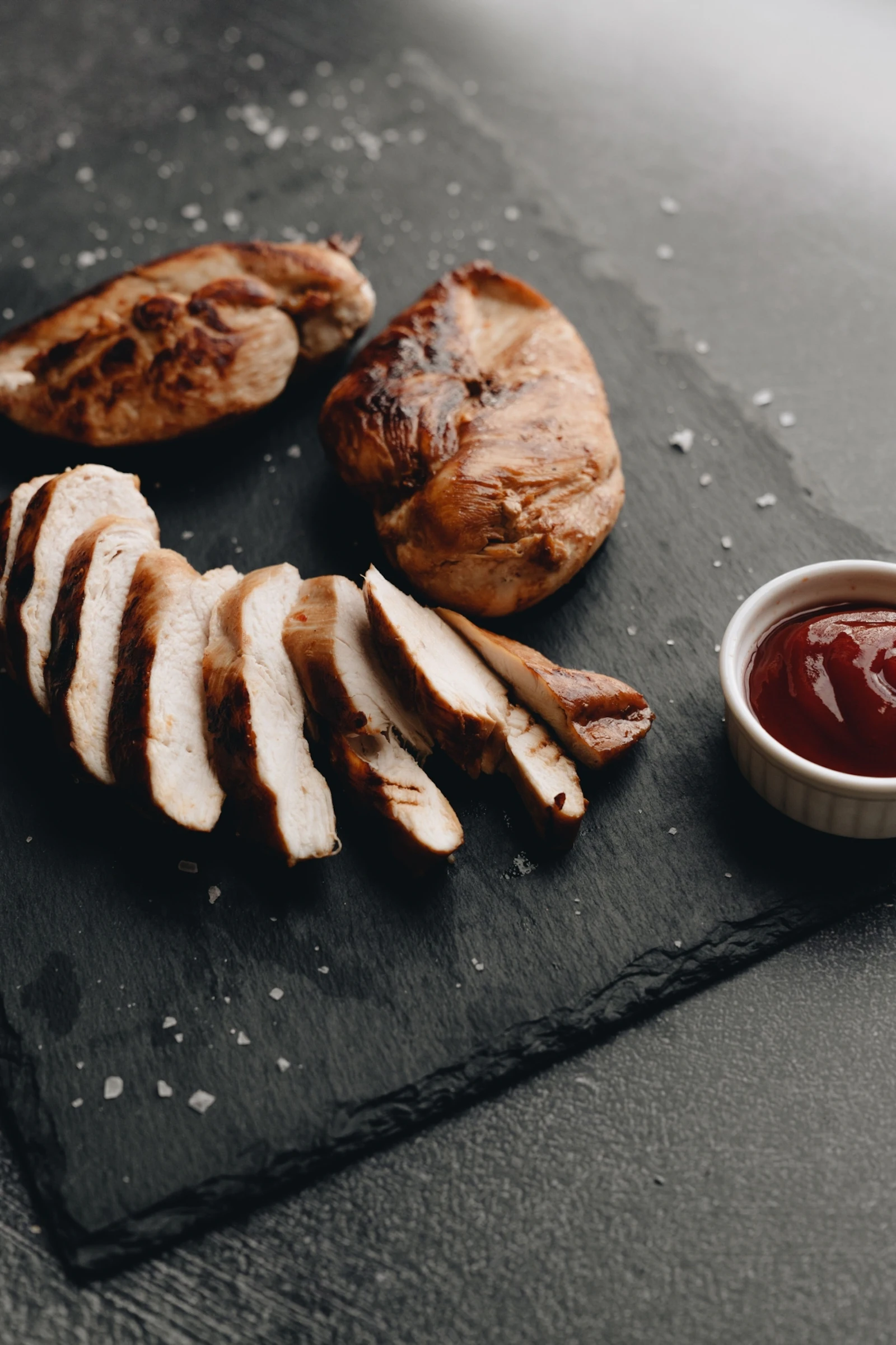
5. Chicken Breast
Chicken breast can be a great source of lean protein, with 1/2 of a chicken breast providing 26.7 grams of protein.
While red meat and processed meat options like beef or hot dogs contain protein, they also tend to be higher in sodium and saturated fat, which can lead to higher risks of heart disease and high cholesterol compared to lean meat choices like chicken or fish.
6. Greek Yogurt
Greek yogurt is another source of high-quality protein. One 7oz cup of Greek yogurt usually contains almost 20 grams of protein. Greek yogurt is low in sugar, contains probiotics that support gut health, and provides important nutrients such as calcium, potassium, and magnesium.

7. Nuts and Seeds
While nuts and seeds can make delicious, easy snacks, many are also high in protein. Additionally, most nuts and seeds also contain antioxidants, vitamins, and minerals that can provide a variety of benefits.
Some of the highest protein nuts and seeds include:
- Hemp seeds/hearts: 9 grams per 3 tbsp.
- Pumpkin Seeds: 8.97 grams per serving.
- Almonds: 6 grams per 1 oz.
- Sunflower seeds: 5.6 grams per serving.

8. Soy Products
Soy products are a common and rich source of plant-based protein. Soy products are also a complete protein, providing all the essential amino acids your body needs.
Two of the most common high-protein soy products are:
- Tempeh: 19.9 grams per 3.5 oz
- Tofu: 17.3 grams of protein per 3.5 oz.

9. Protein Shakes
Protein shakes can be a good way to up your protein intake when you’re short on time. Varieties can include dairy and non-dairy options, and many include a host of beneficial vitamins and minerals alongside protein.
On average, a protein shake can contain between 20 and 40 grams of protein, though this will depend on the specific brand.
Note: Be mindful of your protein shake consumption because excessive intake can lead to digestive issues, kidney strain, and weight gain.
10. Fish
Many types of fish provide significant protein. They are also an excellent source of vitamin D, omega‑3, zinc, iron, and magnesium, all contributing to better heart health, lower blood pressure, and improved cognition.
Some of the highest protein fish include:
- Salmon: 30.5 grams per 1/2 filet
- Albacore tuna: 24.7 grams per 3.5 oz.
- Cod: 22.8 grams per 3.5 oz.

11. Beans
Beans are a great source of plant protein and complex carbohydrates, making them a fantastic addition to your diet. Beans are also rich in fiber, copper, folic acid, iron, magnesium, and vitamin B6. Beans have also been shown to lower cholesterol and blood sugar, protect against colon cancer, and help you maintain or lose weight.
Beans with the highest protein include:
- Edamame: 11.9 grams per 1 cup
- Black beans: 8.98 grams per serving
- Chickpeas: 9.13 grams per serving
- Baked beans: 14 grams per 1 cup
- Black-eyed peas: 13.2 grams per 1 cup

12. Split Peas
Split peas are a legume that packs a significant amount of protein at 16.3 grams per 1 cup. They are also low in fat, high in fiber, and rich in other essential nutrients such as iron, magnesium, and potassium.
13. Peanuts and Peanut Butter
Peanuts and peanut butter are both valuable high-protein sources, with peanuts providing 6.96 grams per RACC serving and peanut butter providing 7.2 grams per 2 tbsp.
Both are high in monounsaturated and polyunsaturated fats, which can help lower bad cholesterol, and are also high in fiber.

14. Whole Grains
While whole grains are often sought after for their high fiber content, several are also high in protein.
Some whole grains that are protein-rich include:
- Farro: 11 grams of protein per 1 cup
- Cooked amaranth: 9 grams per 1 cup.
- Cooked quinoa: 8 grams per 1 cup
- Oats: 5.94 grams per 1 cup
How to Eat More Protein
Knowing which foods are higher in protein is helpful, but how do you meaningfully increase your protein intake?
Here are a few tips on how to eat more protein:
- Consistently add protein to every meal: Don’t just focus on dinner to get your protein. Add protein to your meals and snacks, such as sprinkling hemp seeds on a salad or adding protein to pasta, so you have consistent protein throughout the day.
- Opt for high-protein snacks: Keeping protein-rich snacks on hand, like Greek yogurt, nuts and seeds, or protein bars, can help boost your intake throughout the day.
- Eat your protein first: When eating, aim to eat your protein sources first, to ensure you meet your nutritional needs before filling up on other food groups.
- Make high-protein swaps when possible: Swap typical foods for high-protein options, such as choosing red lentil pasta instead of white, adding roasted chickpeas or seeds to salads instead of croutons, or making quinoa your side instead of rice.
Protein and Older Adults
Protein is essential for everyone to be healthy and thrive. However, older adults often need more protein in their diets as they age, mainly due to age-related muscle loss (sarcopenia).
Losing muscle mass is a normal part of aging, but if left unmanaged, it can lead to reduced mobility and an increased risk of falls or fractures. To combat this, older adults are recommended to engage in strength training exercises to build muscle. This also requires upping your protein intake to fuel your body.
To learn more about protein and older adults, visit this resource.
Does it matter if I get protein from animal or plant sources?
While both plant and animal sources provide protein, each has their benefits and drawbacks. Animal proteins are usually forms of complete protein, while only some plant sources (like tofu and tempeh) are. However, incomplete plant proteins can be easily combined to create complete protein meals.
Additionally, each type of source has certain health benefits and drawbacks. Certain types of animal protein, like red meat or processed meats like hot dogs, tend to be higher in saturated fat, which can lead to higher risks of heart disease and high cholesterol. Plant sources, on the other hand, are often linked to lower cholesterol and lower blood pressure than animal sources.
To learn more about animal vs. plant protein, visit this source.
Can you eat too much protein?
Yes, it is possible to eat too much protein. Too much protein can lead to risks such as kidney stones, dehydration, constipation, and kidney strain in those with diagnosed conditions like kidney disease.
What protein is good for sarcopenia?
Whey protein (often found in protein powders and shakes) is considered good for sarcopenia due to its high protein content and because it is easily digestible.
What food is the highest in protein?
Some of the highest protein sources include chicken breast (26 grams per 1/2 a chicken breast) and certain fish like salmon (30 grams per 1/2 a filet).
Sources
https://www.nanavatimaxhospital.org/blogs/10-delicious-protein-rich-foods
https://diabetes.org/food-nutrition/reading-food-labels/protein
https://www.healthline.com/nutrition/high-protein-foods#peanuts
https://www.ncoa.org/article/what-are-the-best-sources-of-protein-heres-what-to-know/
https://www.health.harvard.edu/blog/how-much-protein-do-you-need-every-day-201506188096