4 Low Cholesterol Diet Plans To Improve Your Cholesterol


Article at a glance
- Cholesterol is a necessary substance that helps your organs and body function properly.
- There are multiple types of cholesterol: HDL (“good” cholesterol) and LDL (“bad” cholesterol). Too much bad cholesterol can cause health complications such as heart disease and stroke.
- Lifestyle changes are the most effective way to lower cholesterol, but medication can also help lower LDL cholesterol.

While some cholesterol is essential, too much bad cholesterol can negatively impact health. A high cholesterol intake is associated with a higher risk of metabolic syndrome, weight gain, heart disease, and other health concerns. The U.S. Department of Health and Human Services even claims high cholesterol is a common chronic condition for Americans. Fortunately, there are some ways to lower your cholesterol. One of the most effective? To eat healthier.
Yet the advice to eat healthier or even to lower total cholesterol intake can be confusing and vague without an explanation. This article provides a more actionable look at what to eat and avoid.
What Is Cholesterol?
Cholesterol is a substance (known as lipids) that helps different parts of your body perform the essential functions you need to survive. Lipids do not dissolve in water, so they travel through your bloodstream to get where they need to go.
Most of the cholesterol in your body comes from your liver; in fact, your liver provides 80% of your body’s cholesterol, or blood cholesterol, which is all it needs for your body to function. However, you can also get cholesterol from foods you eat, known as dietary cholesterol. When you have excess cholesterol, your body has ways to remove what you don’t need. However, sometimes your body can become overloaded or have genetic conditions that make getting rid of the excess difficult, causing health problems such as high cholesterol. Higher cholesterol can lead to conditions such as heart disease, stroke, and other health issues if not addressed.
Risk Factors of High Cholesterol
Risk factors of high cholesterol include:
- Cardiovascular disease
- Stroke or heart attack
- Risk of Type 2 Diabetes
- Obesity

Types of Cholesterol
There are a few different types of cholesterol, but the most common are HDL and LDL. Each one serves a specific purpose and should be monitored to ensure you have proper levels of cholesterol in your system.
HDL cholesterol (High-density lipoprotein)
HDL cholesterol is primarily protein and helps remove excess cholesterol from the blood and send it to the liver, where it can be broken down and disposed of. HDL is often referred to as the “good” cholesterol and can be found in foods such as nuts, avocados, and fish like salmon.
LDL Cholesterol (Low-density lipoprotein)
LDL cholesterol helps transport cholesterol to the parts of your body that need it. LDL is often referred to as “bad” cholesterol because if too much accumulates, it can combine with other substances and become plaque that builds up and sticks to the walls of your arteries. This can lead to cardiovascular disease, heart attack, stroke, and other health issues. Examples of foods that contribute to LDL are fried foods, red meat, and eggs.

What Causes Higher Cholesterol?
Cholesterol is an important and essential substance to keep your body healthy, but having a high cholesterol level can impact your health negatively. So, what causes higher cholesterol?
When too much LDL cholesterol occurs, the level of cholesterol in the body increases. This can happen due to a few reasons:
- Age: Cholesterol levels tend to rise as people age.
- Exercise: Physical activity helps raise HDL levels, so people who do not exercise are more likely to have high cholesterol.
- Genetics: If high cholesterol runs in your family, you may also have it.
- Diet: As mentioned, your body naturally makes cholesterol, but you can also get cholesterol from food. Eating foods high in saturated fat and trans fat can increase your LDL levels, raising your cholesterol.
How Diet Impacts Cholesterol
While multiple factors can impact cholesterol levels, diet plays a large role. A well-balanced diet can help ensure your cholesterol levels stay where they need to be.
Foods That Raise Cholesterol
When you eat foods that are high in saturated and trans fats, such as deep-fried foods and processed foods, they can raise your LDL cholesterol and triglyceride levels. It’s best to limit saturated and trans fats to reduce cholesterol.
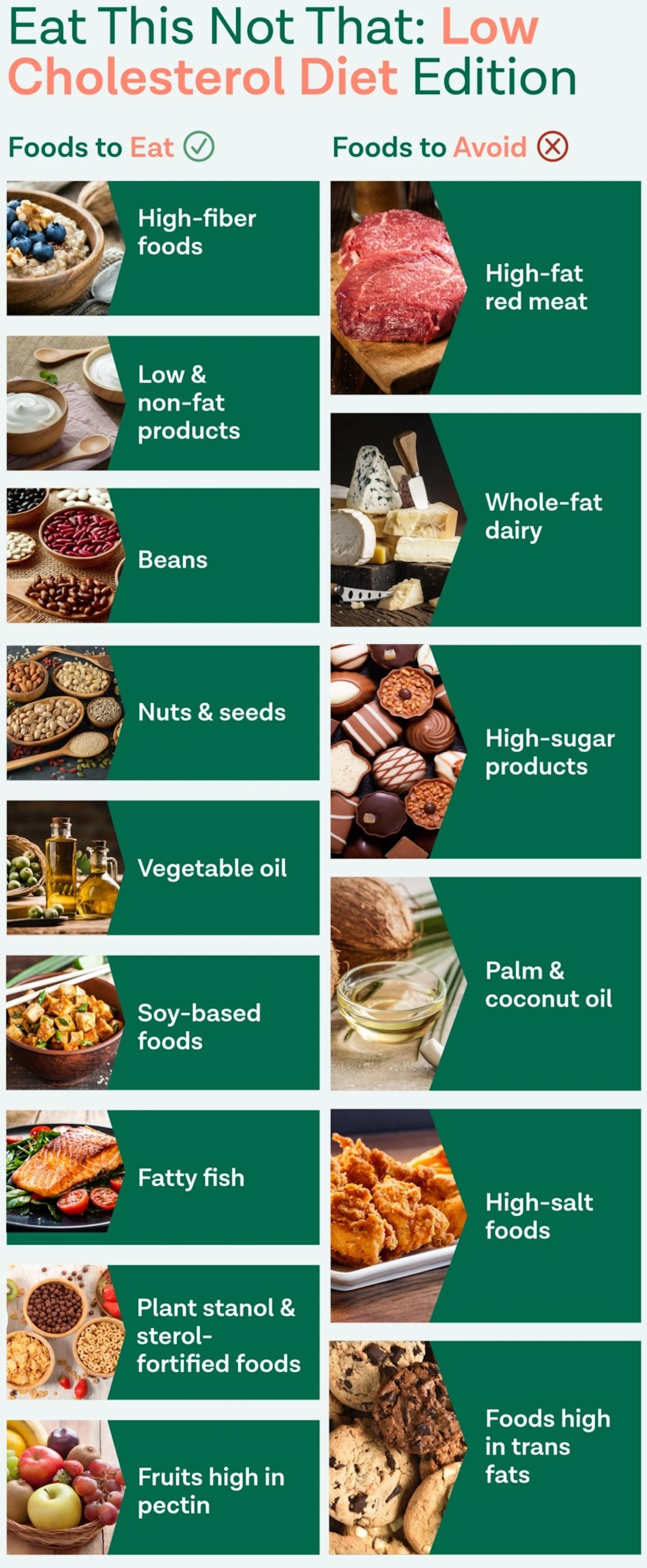
Limit foods that are known to raise cholesterol, such as:
- Fatty meats, especially organ meats and processed meats
- Whole milk dairy products, such as whole milk, butter, etc.
- High-sugar products, such as sugar-sweetened beverages,
- Palm oil and coconut oil
- High-salt foods such as chips and fast food
- Partially hydrogenated vegetable oils
- Egg yolks (in high quantities)
- Processed foods, such as potato chips
Foods That Lower Cholesterol
If your goal is to lower cholesterol, choosing foods that are fiber-rich and include healthy fats (such as monounsaturated and polyunsaturated) is ideal. Additionally, foods that contain plant sterols and stanols can help bring down LDL cholesterol levels and prevent your digestive tract from absorbing cholesterol in excessive quantities.
Foods that are known to lower cholesterol include:
- High-fiber foods, such as oatmeal, barley, brown rice, whole grain pasta, whole wheat bread, whole grain breads, and whole grain cereals
- Low-fat and non-fat products, such as low-fat or non-hydrogenated peanut butter, low-fat condiments, non-fat and low-fat dairy products.
- Foods that contain unsaturated fats, such polyunsaturated fats. This group includes oily fish, chia seeds, nuts, and many other nutrients.
- Legumes, such as kidney beans
- Nuts and seeds
- Vegetable oils
- Soy, such as tofu
- Fatty fish, such as salmon
- Plant stanol and sterol-fortified foods
- Fruits high in pectin, including citrus fruits, apples, grapes, and strawberries. Fruit juices, such as orange juice, that are low in sugar may be another option.

Recommended Diets for Lowering Cholesterol
Dieting can help those trying to lower their cholesterol. However, before beginning a diet plan to reduce your high cholesterol, be sure to speak with your provider who has access to clinical practice guidelines and training in managing cholesterol. They can ensure it’s the right plan for you and your health needs.
Therapeutic Lifestyle Changes (TLC) Diet
The National Heart, Lung, and Blood Institute developed the TLC diet to help balance cholesterol levels. In addition to its diet plan, the TLC Program also focuses on physical activity and weight management.
The diet’s foundation includes eating higher soluble fiber foods, foods that include plant stanols and sterols, and decreasing foods high in saturated fat and cholesterol. The goal is to replace saturated fats with healthier food choices.
Some recommended foods on the TLC diet include:
- Fruits
- Vegetables
- Legumes (beans and lentils)
- Nuts
- Whole grains
- Low- or non-fat dairy products
- Fish
- Poultry without the skin
- Lean meats (in moderate amounts)
Mediterranean Diet
The Mediterranean diet is a heart-healthy diet recommended by the American Heart Association and is known to lower high cholesterol and high blood pressure. In a 2025 systematic review, this diet reduced visible fat and lowered cholesterol in people with metabolic syndrome.
The plan focuses on healthy fats, fiber-rich options, and whole grains. Foods recommended in the Mediterranean diet include:
- Whole foods
- Fruits
- Vegetables
- Whole grains
- Legumes
- Nuts and seeds
- Olive oil (ideally extra virgin olive oil)
The diet allows full fat dairy, the consumption of red meats and other organ meats, and red wine in moderation, which also makes it less restrictive than some other diets out there.
Portfolio Diet
The portfolio diet is a plant-based plan focusing on foods that lower cholesterol. Notably, this plan focuses on including four cholesterol-lowering foods in combination with each other in meals:
- Nuts
- Soy
- Oat bran
- Plant sterols
At least one food from each category is included in each meal throughout the day. Studies have shown that these foods when combined, can help regulate cholesterol.
Note: For more information on the portfolio diet, visit this source.
DASH Diet
The DASH (Dietary Approaches to Stop Hypertension) diet is known for its focus on heart health. However, its focus on whole grains, fruits, vegetables, lean meats such as poultry, and fat-free or low-fat dairy also benefits those who want to lower cholesterol. Additionally, the plan encourages people to limit red meat and cut out processed foods, sugary foods, and sugar-sweetened beverages.
Note: For more information on the DASH diet, visit this source.

Benefits of Lowering Cholesterol
There are multiple health benefits to lowering cholesterol such as protecting your heart, supporting your brain, and much more.
Protects Your Heart Health
One of the most common reasons to ensure your cholesterol levels stay in their target range is to protect your heart from health diseases and conditions, such as heart disease or a heart attack. High cholesterol can lead to plaque build-up in the arteries that can block blood flow to the heart.
Protects Your Brain
Having healthy cholesterol also helps protect your brain. Plaque can also block arteries that pump blood to the brain, which can lead to a stroke.
Reduces Risk Of Other Health Conditions
Some studies show that lower cholesterol levels may help with other health conditions, such as Type 2 Diabetes. When paired with regulated blood pressure levels, lower cholesterol levels can help prevent the hardening of arteries that lead to atherosclerosis, which can cause diabetes and cardiovascular disease.

Cooking Tips For Creating a Low-Cholesterol Meal Plan
Focus on High Fiber Foods
Incorporating foods high in fiber, such as fruits, vegetables, whole grains, and legumes, is essential to lowering cholesterol. If you have trouble eating foods with higher amounts of fiber, fiber supplements can also help ensure you get enough in your diet.
Choose Healthy Fats
Not all fats are unhealthy. Healthy fats, such as nuts and seeds, olive oil, avocado, and omega‑3 fatty acids, are beneficial to your body and can increase your HDL levels.
Reducing Saturated Fat and Trans Fat Intake
Saturated fats should be limited as much as possible. Animal fats, butter, cream, and meat with high amounts of fat are all high in saturated fats. Even some salad dressings may contain saturated fats, which is why it’s always important to read the ingredients list before purchasing any food items.
Avoid trans fats, such as fried foods, stick margarine and butter, frozen foods, and certain meats like beef, beef sausages, and hot dogs, as they can raise LDL cholesterol.
You can find information on the percentage of a food’s saturated fats and trans fats on their nutrition label. For help reading nutrition labels, visit this source.
Lifestyle Changes to Lower Your Cholesterol
While diet is an integral part of lowering cholesterol, there are additional lifestyle changes that should be made alongside healthier food choices.
Exercise and Physical Activity
Regular physical activity helps lower LDL cholesterol and raise HDL cholesterol. The CDC recommends that the average adult get 150 minutes of moderate-intensity aerobic exercise (such as biking or swimming) or 75 minutes of vigorous-intensity exercise each week.
Stress Management and Sleep
Stress can be a factor in higher cholesterol levels, which means learning to manage stress can be a beneficial way to lower cholesterol. One source of stress can result from lack of sleep, so ensuring you get 7–8 hours of rest each night can also be helpful.
Quitting Smoking
Smoking can damage blood vessels, making it easier for fatty plaque deposits to build on the walls of your arteries. It can also potentially lower HDL (“good”) cholesterol levels.
If you smoke, visit this source for more information on how to quit.

How To Monitor Cholesterol
How To Check Cholesterol
The only way to check your cholesterol levels is through a health provider or registered dietician. Your primary care provider (PCP) can run a test known as a lipid panel, which will measure the different types of cholesterol as well as check your arteries for signs of atherosclerosis.
Your test will show results of the levels of cholesterol in your body. Ideally, you’ll want the HDL levels to be higher– around 60 or higher for most adults. You’ll also want your LDL levels to be under 100, which is average for most adults. The total number of these two levels combined should be under 200. However, patients with comorbidities such as diabetes should have an LDL goal of 70 or less. Talk to your healthcare provider to determine how at-risk you are for high cholesterol.
How Often Should You Check Your Cholesterol?
It’s recommended that adults get a cholesterol screening every 1 or 2 years starting at age 45.
What If I Have High Cholesterol?
If your cholesterol results show you are at risk or have high cholesterol, talk to your PCP about the next steps. Recommendations to change your diet, add more physical activity and consider other lifestyle factors will likely be discussed to help lower cholesterol levels.
If diet and exercise alone do not help, your provider may recommend medication(s) to help lower your LDL levels and triglycerides. Some types of medications recommended can include:
- Statins, such as Lipitor
- Cholesterol absorption inhibitors, such as Zetia
- PCSK9 inhibitors, such as Praluent
- Citrate lyase inhibitors, such as Nexletol
- Bile acid sequestrants, such as Prevalite
Talk to your provider about which medications and lifestyle changes are right for you.
FAQ
What foods can you eat on a low-cholesterol diet?
High-fiber foods such as fruits and vegetables, whole grains, legumes, and protein-rich (not non-saturated fat) foods are prioritized in a low-cholesterol diet.
How much cholesterol should I eat in a day?
Strive to eat less than 200 mg a day of cholesterol to keep levels in their target range.
Sources
https://www.health.harvard.edu/heart-health/11-foods-that-lower-cholesterol
https://my.clevelandclinic.org/health/articles/23922-what-is-cholesterol
https://www.health.com/food/the-22-worst-foods-for-trans-fat
https://my.clevelandclinic.org/health/articles/11920-cholesterol-numbers-what-do-they-mean
https://www.ucsfhealth.org/education/guidelines-for-a-low-cholesterol-low-saturated-fat-diet


