5 Benefits of Napping and Tips for Better Naps


Article at a glance
- Short naps around midday offer many benefits, including an energy boost, enhanced memory and cognitive functioning, lower stress levels, and more.
- While napping reverses some of sleep deprivation’s negative effects and offers additional benefits, there is a right and wrong way to nap.
- Learning how long and when to nap helps someone enjoy the benefits of napping and avoid the downfalls of excessive napping.

Getting enough sleep is crucial to mental and physical health, but we don’t always get the optimal amount of sleep at night. Napping, a short period of sleep that often happens during the day, is a popular way to “make up” for missed sleep. Up to 60% of older adults nap regularly, and research suggests napping can offer some significant health benefits for overall well-being, provided they are taken according to best practices and in moderation.
How Napping Works
Regardless of the time of day, the body progresses through approximately 90 minute sleep cycles. These cycles include four stages of sleep:
- Step 1: Non-rapid eye movement sleep 1 – A brief stage where the body transitions from being awake to asleep. This stage makes up about 5% of sleep time.
- Step 2: Non-rapid eye movement sleep 2 – Making up 45% of sleep time, the second stage prepares the body for deep sleep. Often, body temperature drops and heart rate slows during this stage.
- Step 3: Non-rapid eye movement sleep 3 – Referred to as deep sleep or slow wave sleep, this is a crucial stage where your body repairs and helps maintain different bodily functions. It makes up 25% of total sleep time.
- Step 4: Rapid Eye Movement (REM) Sleep – REM sleep is when brain activity increases and dreams can occur. Making up 25% of total sleep time, this stage helps with cognitive functioning and memory.
During a short nap, you may not go through all the phases. In fact, shorter naps that don’t go through all four cycles enhance energy levels and cognitive performance, especially for shift workers. However, if someone wakes up during the deeper stages of sleep or REM sleep, they may experience a groggy feeling called sleep inertia. Waking up during this phase isn’t optimal for health, which is why nap duration matters. Often it’s recommended to either sleep for less than 30 minutes or the full 90 minutes to avoid sleep inertia while still gaining the various benefits of napping.

The When, Where, and How of Napping
While napping has its benefits, it’s important to get the when, where, and how right to avoid the pitfalls of excessive napping.
How long should a nap be?
It turns out the length of your nap matters. Power naps lasting 15 to 30 minutes help the body recover physically and emotionally. They may improve alertness, reaction times, and mood, though someone may not enter deep or REM sleep during a shorter nap.
Long naps that last one sleep cycle (about 90 minutes) may also help someone feel refreshed and may help with memory encoding and storage. However, these longer naps can make it difficult to get a good night’s sleep unless you are very sleep-deprived or fighting off a disease like COVID or the flu.
When should you nap?
The National Sleep Foundation recommends taking a nap at least eight hours before bedtime. Ideally, that nap should happen in the early afternoon due to the influence of your circadian rhythm (the body’s natural clock that controls sleepiness and alertness) on your alertness in the morning. However, your circadian rhythm dips in the early afternoon, making an afternoon snooze during your post-lunch dip easier, while still being early enough to preserve your nighttime sleep.
Where should you nap?
For healthy sleep, try out good napping habits, such as sleeping in a cool, dark room. If at home, the bedroom is the best place to nap. Workplaces with shift workers often have a break room with couches or nap pods (small beds sequestered from break spaces with curtains or walls) for work breaks. If someone’s workplace doesn’t have these accommodations, they may consider napping in a quieter place, wearing an eye mask, or putting in earplugs while napping.
5 Benefits of Naps
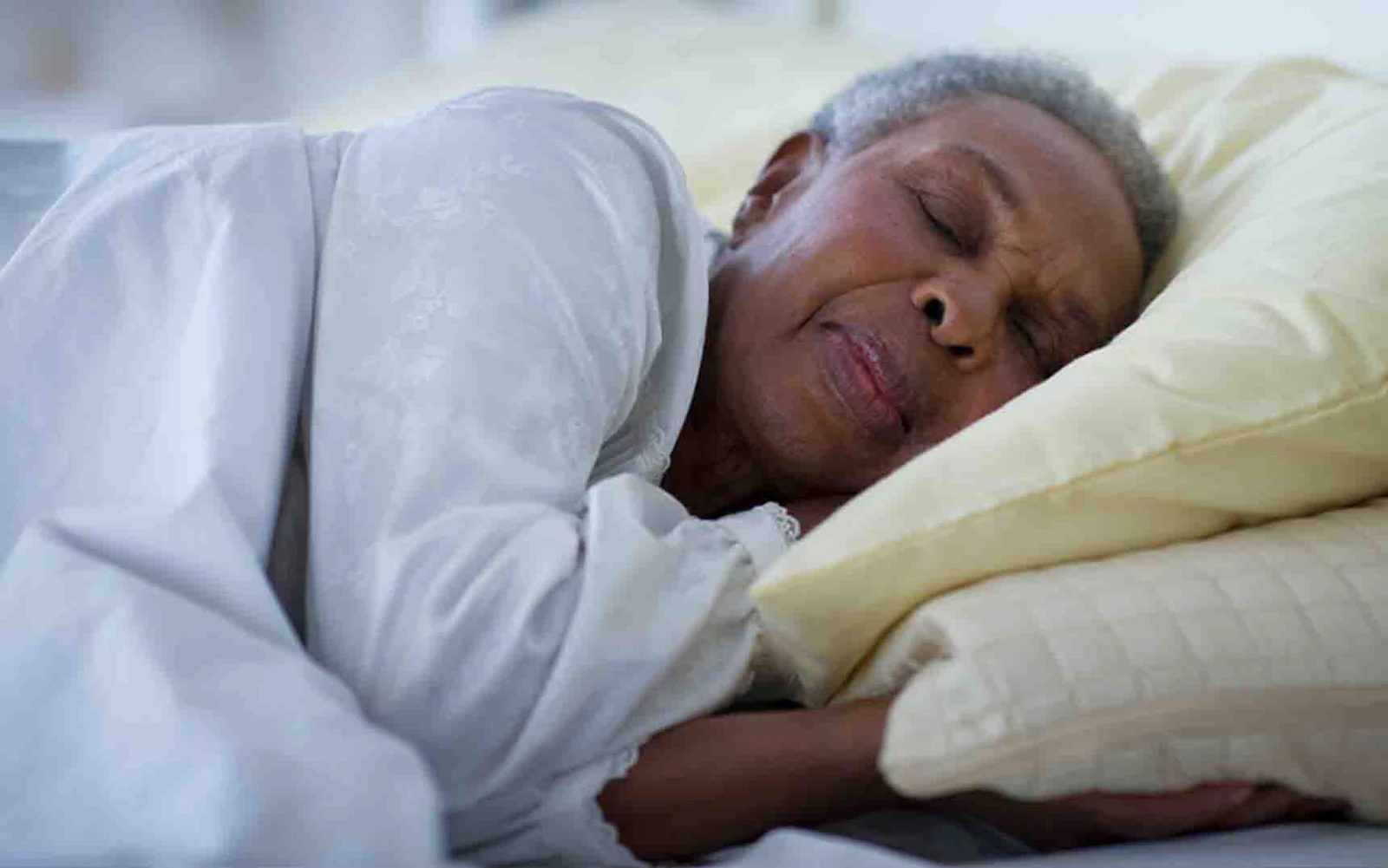
Sleep is a hot topic in the health world, with nighttime sleep often getting the spotlight. While deep sleep at night offers many health benefits, a daytime nap provides some that shouldn’t be overlooked.
1: Naps Make Up For Insufficient Sleep At Night
The most obvious benefit of a morning or afternoon nap is that it helps make up for insufficient sleep at night. The CDC recommends adults get seven to nine hours of quality sleep daily. Sleep deprivation (regularly getting less than the recommended amount) increases the risk for various health conditions, including, but not limited to, high blood pressure, kidney disease, heart disease, diabetes, stroke, and depression. A daily nap can help someone hit the daily recommended hours of sleep if they have trouble sleeping at night.
2: Naps Improve Concentration
A short daily nap may also improve brain health and our ability to perform tasks that require concentration, such as a crossword puzzle or learning a new language. Multiple studies suggest that 90 minutes is the minimum nap length to achieve these cognitive benefits. Early afternoon naps may also boost focus and attention more than daytime sleep in the morning, late afternoon, or evening.
3: Naps Boost Energy Levels
Along with improving cognitive performance, an afternoon nap may increase energy levels for older adults. One study found that after a short or medium-length daytime nap, older adults reported higher energy levels and enhanced psychomotor function, which is the coordination between physical movements and mental processes.
4: Naps Decrease Stress
Those who report poor sleep often experience higher levels of stress and anxiety. While nightly sleep quality and quantity play a big role in stress levels, napping can help too. A sleep medicine study asked two groups of participants to make a speech on a topic provided at the last minute. The researchers monitored participant stress levels throughout their speeches and then gave all participants a 40-minute break. One group watched a video and the other took a nap. Afterwards, both groups gave another speech, and the people who napped reported less stress and better mental health before that second speech, showcasing how naps can significantly impact stress. Studies also show that naps can result in better moods, in part due to lower amounts of stress.
5: Naps Improve Memory
We create and store long-term memories during nocturnal sleep, but research shows a power nap of about 30 minutes may also result in better memory. More specifically, short daytime napping supports memory encoding, the brain’s process for creating and adding emotion to recent memories.

Tips for Better Naps
Daily napping does offer some great benefits, though solid napping habits are required:
- Time your nap: Most of us benefit the most from a 30-minute nap, so try to keep naps short. Set a timer for that time and don’t hit snooze when it goes off.
- Take that nap around midday: For most people, the post-lunch, mid-afternoon dip is a great time to nap since our alertness naturally dips and it’s not too close to bedtime. When possible, avoid napping around bedtime in order to feel tired when it’s time to sleep.
- Environment matters: When possible, sleep in a cool, quiet environment with minimal distractions.
- Keep a napping log: Naps aren’t an exact science. Even general guidelines, like napping for 30 minutes or at midday, may not be right for everyone and may not need to be part of a daily routine. Track the time and duration of different naps and how each makes you feel to customize a daily napping habit to individual needs.
- Nap in a comfortable position: It can be tempting to snooze on the couch, but moving to the bed (and setting an alarm) may improve the nap and how you feel afterward.
The Sleep Foundation also offers some general sleep guidelines that may lead to better naps and rest, too:
- Invest in a comfortable mattress and pillow
- Put applicable electronic devices in ‘do not disturb’ mode
- Avoid heavy or spicy meals before sleeping
- Create a dark sleep environment
- Try meditation or another relaxation technique before sleeping
Napping Alternatives
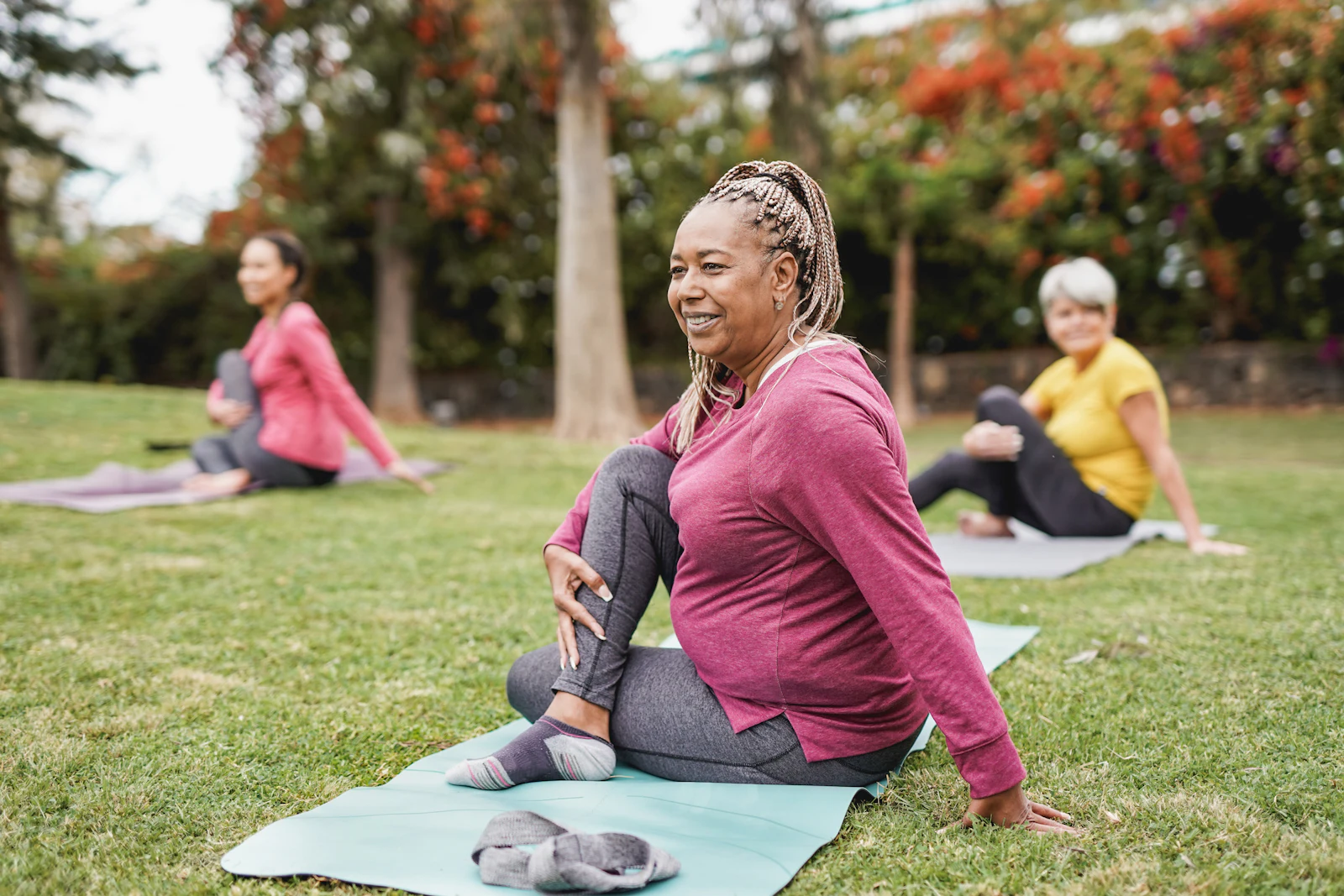
Napping isn’t the only way to get a midday energy boost. Self-care activities that offer some of the benefits of napping include:
- A walk
- Meditation
- Time in nature
- Yoga
- Breathwork
Additionally, if you have been napping but feel groggy afterward or have trouble falling asleep, seek guidance from a healthcare provider. A healthcare professional can assess why someone is sleep-deprived or feels tired during the day. Based on a diagnosis, that provider can create a treatment plan for the underlying cause, including lifestyle changes, since napping won’t solve all cases of low energy and fatigue.

Who Shouldn’t Nap
For most healthy adults, occasional napping is beneficial. For those with sleep restrictions or sleep disorders, however, napping may not be the best option.
If someone has insomnia, for example, sleeping during the day may further disrupt their circadian rhythm making it even harder to fall asleep at night. The same may be true for those with restless leg syndrome and sleep apnea.
When Napping is a Cause for Concern
Habitual nappers who nap multiple times a day for 30 minutes or more (otherwise known as excessive daytime napping) are more likely to develop:
- A higher body weight
- A larger waist circumference
- High blood pressure
- High blood sugar
- Increased risk of heart disease
- Alzheimer’s disease
- Daytime fatigue

FAQ
Is it good to take a nap every day?
Some people benefit from a short nap each day. However, it's not necessary to nap daily for good overall health. If napping, consider taking a 30 minute midday nap so it doesn't disrupt nighttime sleep, and don’t forget to set a timer.
Why do naps feel so good?
Naps feel good because they help fend off sleep deprivation, making someone feel alert and awake. They may also help decrease stress, improve memory, boost energy levels, and enhance thinking. That said, napping for longer than 30 minutes may lead to sleep inertia, a groggy feeling from waking up off-cycle. Excessive napping behavior may also make it hard to fall asleep at night and lead to larger health risks.
What is considered excessive napping?
If someone falls asleep multiple times throughout the day or naps for longer than 30 minutes regularly, they may be experiencing excessive napping. This is true whether they have difficulty sleeping at night or sleep seven to nine hours at night on top of naps. Many sleep disorders could be the cause of excessive napping, including hypersomnia and narcolepsy.
Sources
https://medicine.yale.edu/news-article/sleeps-crucial-role-in-preserving-memory/
https://www.canr.msu.edu/news/understanding-the-stages-of-sleep
https://www.cdc.gov/niosh/work-hour-training-for-nurses/longhours/mod7/02.html
https://www.nhlbi.nih.gov/news/2023/researchers-study-how-daytime-naps-may-influence-health
https://archive.cdc.gov/#/details?url=https://www.cdc.gov/niosh/emres/longhourstraining/napping.html
https://healthcare.utah.edu/healthfeed/2023/03/get-better-nap-these-sleep-expert-tips
https://blogs.cdc.gov/niosh-science-blog/2020/06/29/sleep-hwd/
- https://www.nhs.uk/conditions/excessive-daytime-sleepiness-hypersomnia/


